Showing posts with label palm oil mill. Show all posts

Saturday, 11 April 2026

Palm oil mill process flow

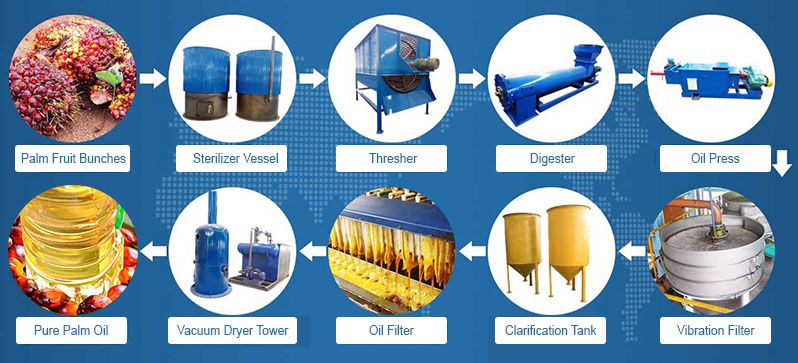
Below is a clear, end-to-end explanation of the Palm Oil Mill (POM) flow process, from Fresh Fruit Bunches (FFB) reception to Crude Palm Oil (CPO) and Palm Kernel (PK)—with key quality parameters and control points at every stage. This is written in a practical mill & management mindset, not just textbook theory.


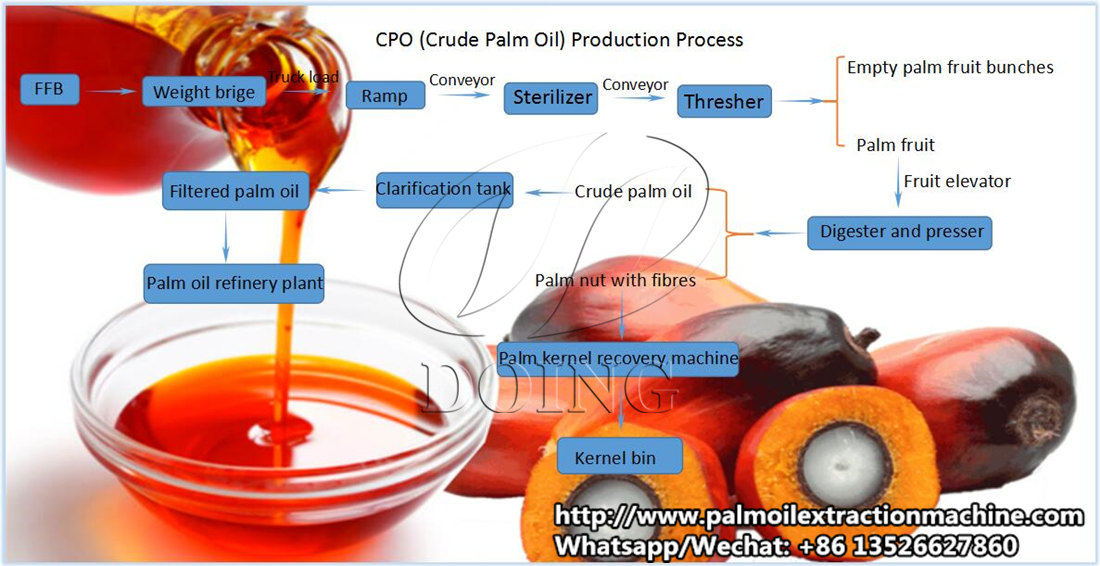
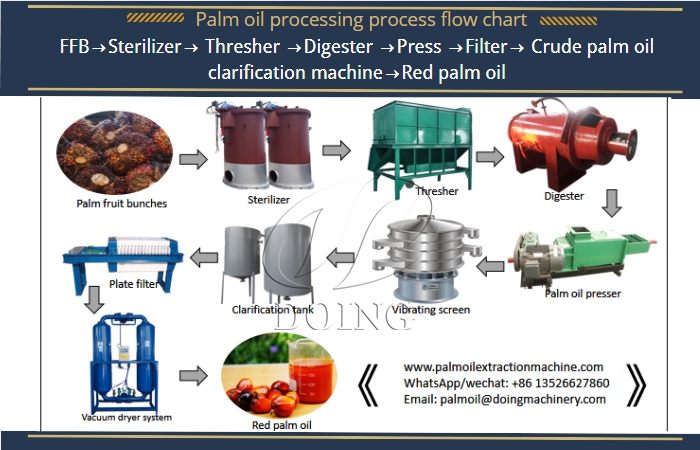
1. Overall Palm Oil Mill Process Flow
Image

Image

Image

Main sections

  1. FFB Reception & Grading

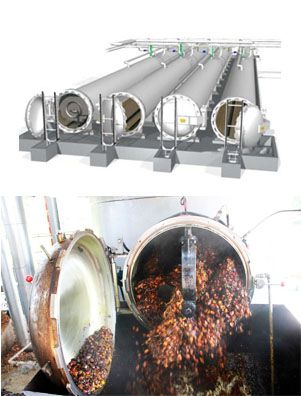
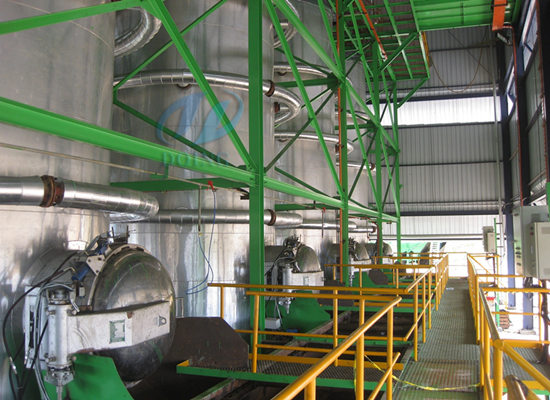
  2. Sterilization

  3. Threshing

  4. Digestion

  5. Pressing

  6. Oil Clarification

  7. Purification & Storage

  8. Kernel Recovery

  9. Utilities & Waste Management


2. FFB Reception & Grading (First Quality Gate)

Objective

Ensure only ripe, clean, fresh FFB enters the process.

Key Quality Parameters

ParameterTarget / Limit
Ripeness≥ 90% ripe fruits
Unripe bunches< 5%
Overripe / rotten< 3%
Long stalk< 2.5 cm
Time to processing< 24 hours (ideal < 12 h)

Controls

  • Visual grading at ramp

  • Weighbridge recording

  • FIFO (First In First Out)

  • Reject or penalize poor-quality FFB

Impact if poorly controlled
❌ High FFA
❌ Low Oil Extraction Rate (OER)
❌ Poor CPO color


3. Sterilization (Most Critical Process Step)
Image

Image

Objective

  • Stop lipase activity (prevent FFA rise)

  • Loosen fruits from bunch

  • Soften mesocarp for oil release

Typical Operating Conditions

ParameterNormal Range
Steam pressure2.8 – 3.0 bar
Temperature135 – 140°C
Time85 – 95 min
Venting cycles2–3 cycles

Quality Control

  • Ensure full steam penetration

  • Avoid under-sterilization (high FFA)

  • Avoid over-sterilization (dark oil, broken kernels)

Key KPI

  • FFA increase during sterilization: ≤ 0.1%


4. Threshing (Fruit Separation)

Objective

Separate sterilized fruits from empty bunches (EFB).

Parameters & Control

ParameterControl Target
Fruit loss in EFB< 1.5%
Thresher speedOptimized (no fruit damage)
EFB cleanlinessMinimal loose fruit

Risk if poor

❌ Oil loss in EFB
❌ Kernel damage downstream


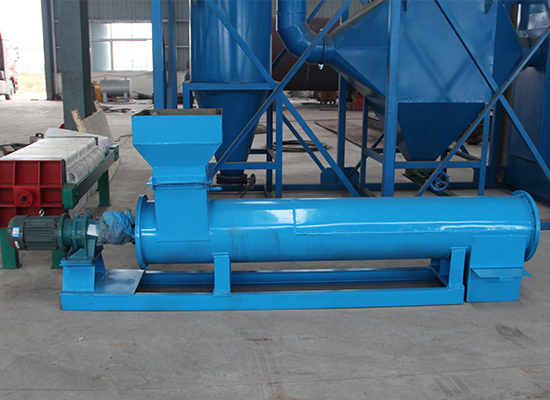
5. Digestion (Oil Cell Rupture)
Image

Image

Image

Objective

  • Break oil-bearing cells

  • Release oil from mesocarp

Operating Parameters

ParameterNormal
Temperature90 – 95°C
Retention time20 – 30 min
Digester speedModerate (no emulsification)

Control Focus

  • Uniform heating

  • Avoid over-mixing (oil-water emulsion)


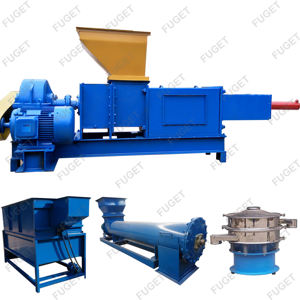
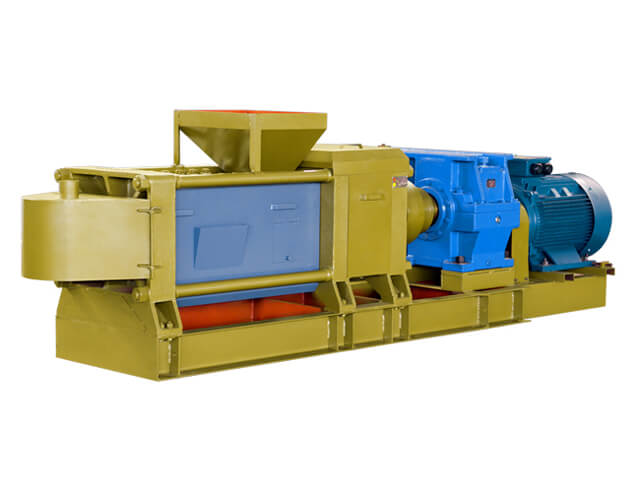
6. Pressing (Oil Extraction Core)
Image

Image

Image

Objective

Extract oil while protecting kernel integrity.

Key Parameters

ParameterTarget
Press pressureOptimized (not maximum)
Press cake oil loss< 6%
Broken kernel< 5%

Control Actions

  • Monitor press amperage

  • Adjust cone pressure

  • Check press cake consistency


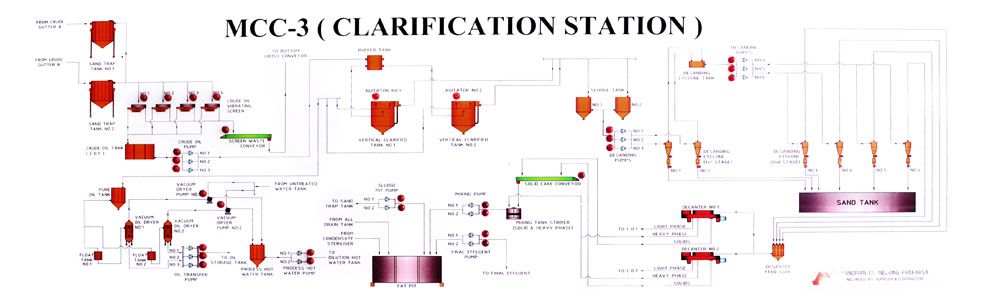
7. Oil Clarification & Purification
Image

Image

Image

Objective

Separate oil from water, sludge, and solids.

Typical Process

  • Sand trap → Vibro screen

  • Crude oil tank

  • Settling tank / Centrifuge

  • Purifier → Dryer

Critical Quality Parameters (CPO)

ParameterMill Target
FFA≤ 3.5% (good mill ≤ 3.0%)
Moisture≤ 0.25%
Dirt≤ 0.02%
DOBI≥ 2.3
Temperature at storage45 – 50°C

Controls

  • Continuous sludge removal

  • Oil temperature control

  • Regular sampling & lab analysis


8. Kernel Recovery Plant (KRP)

Image

Image

Image

Objective

Recover clean kernels with minimal breakage.

Parameters

ParameterTarget
Kernel loss< 0.3%
Broken kernel< 5%
Shell in kernel< 2%
Kernel moisture6 – 7%

Control Points

  • Nut drying temperature

  • Cracker gap setting

  • Hydrocyclone density control


9. Storage & Dispatch (Final Quality Gate)

Storage Conditions

ParameterControl
Tank temperature45 – 50°C
Nitrogen blanketingPreferred
Water bottomZero
Tank drainingDaily

Dispatch QC

  • Composite sampling

  • Certificate of Analysis (COA)

  • Traceability record


10. Utilities & Waste Management (Sustainability & Compliance)

By-Products

MaterialUse
EFBMulch / Compost
Fiber & ShellBoiler fuel
POMEBiogas / Treatment
AshSoil conditioner

Environmental Controls

  • Boiler emission limits

  • POME BOD < regulatory limit

  • Energy efficiency monitoring


11. Key Mill Performance Indicators (Summary)

KPIGood Mill
OER≥ 20%
KER≥ 4.8%
FFA at dispatch≤ 3.0%
Oil loss (total)< 1.5%
Downtime< 5%

Final Reflection (Operational Wisdom)

Palm oil milling is a race against time, heat, and contamination.
Quality is not “fixed” at the lab—it is designed at the ramp, protected in sterilization, and preserved in clarification & storage.

Tuesday, 7 April 2026

Bowtie ; Steriliser - practical training materials

Sterilizer bowtie into practical training materials you can use immediately in your mill under Process Safety Management.


๐Ÿงพ 1. TRAINING POSTER 

You can place this in control room / sterilizer area ๐Ÿ‘‡


๐Ÿšจ STERILIZER SAFETY – HIGH PRESSURE ZONE

⚠️ TOP RISK

Sterilizer Overpressure / Door Failure / Explosion


๐Ÿ”ด BEFORE OPERATION (PREVENTION)

✔ Check pressure gauge working & calibrated
✔ Ensure drain line NOT blocked
✔ Confirm door fully locked
✔ Verify interlock system ACTIVE (never bypass)
✔ Check steam valve condition
✔ Follow correct steaming SOP


๐ŸŸข DURING OPERATION

✔ Monitor pressure continuously
✔ Do NOT exceed safe pressure limit
✔ Listen for abnormal sound / vibration
✔ Ensure no leakage at door or pipeline
✔ Stay within safe distance


๐Ÿ”ต AFTER OPERATION

✔ Fully depressurize before opening door
✔ Open door slowly (confirm zero pressure)
✔ Inspect for damage / leakage
✔ Record operation in logbook


๐Ÿ”ฅ EMERGENCY ACTION

❗ Close steam supply immediately
❗ Activate emergency isolation
❗ Evacuate area
❗ Inform supervisor
❗ Follow ERP (Emergency Response Plan)


⚡ GOLDEN RULES

  • ❌ NEVER bypass interlock

  • ❌ NEVER open under pressure

  • ❌ NEVER ignore alarm


✅ 2. OPERATOR CHECKLIST (Daily Use)

๐ŸŸก A. Pre-Start Checklist

  • Pressure gauge OK

  • Safety valve (PRV) tested/valid

  • Drain line clear

  • Door locking system OK

  • Interlock system functional

  • No steam leakage

  • SOP available & understood


๐ŸŸ  B. Operation Checklist

  • Pressure within limit

  • No abnormal noise

  • No vibration/leakage

  • Cycle follows SOP

  • Operator present at panel


๐Ÿ”ต C. Shutdown Checklist

  • Pressure = 0 before opening

  • Steam isolated

  • Door opened safely

  • Equipment condition checked

  • Logbook updated


๐Ÿ”ด D. Emergency Checklist

  • Steam valve closed

  • Area evacuated

  • Alarm raised

  • Supervisor informed

  • Incident recorded


๐Ÿ’ก Practical Tip (Very Important)

In many mills, accidents happen not because of equipment failure—but because:

  • “Boleh lagi…” mindset

  • Rushing production

  • Ignoring alarms

๐Ÿ‘‰ Your checklist should be signed per shift to enforce discipline.

Monday, 6 April 2026

Bowtie ; sterilizer at palm oil mill


๐ŸŒด Bowtie: Sterilizer Overpressure / Explosion

๐Ÿ”ท Visual Concept


๐Ÿ”ถ 1. ๐ŸŽฏ Top Event (Center)

๐Ÿ’ฅ Sterilizer Overpressure / Door Failure / Explosion


๐Ÿ”ถ 2. ⚠️ Threats (Left Side – Causes)

Typical real issues in mills:

  • Steam inlet valve stuck open

  • Pressure control valve failure

  • Blocked condensate / drain line

  • Faulty pressure gauge (wrong reading)

  • Door not properly locked

  • Interlock system bypassed

  • Operator error (wrong steaming sequence)


๐Ÿ”ถ 3. ๐Ÿ›ก️ Preventive Barriers (Left Controls)

To prevent the top event:

  • Pressure relief valve (PRV) – tested regularly

  • Interlock system (door cannot open under pressure)

  • Routine calibration of pressure gauges

  • Steam control valve maintenance

  • SOP for sterilization cycle (charging, steaming, venting)

  • Operator training & competency certification

  • Drain/condensate line inspection


๐Ÿ”ถ 4. ๐Ÿ’ฃ Consequences (Right Side)

If failure occurs:

  • Fatal injury (door burst / steam release)

  • Severe burns to workers

  • Equipment destruction

  • Production downtime

  • Legal & regulatory action


๐Ÿ”ถ 5. ๐Ÿšจ Mitigation Barriers (Right Controls)

To reduce impact:

  • Emergency steam isolation valve

  • Pressure venting system

  • Safety distance / barricade around sterilizer

  • Emergency response plan

  • PPE (heat-resistant gear)

  • First aid & medical readiness

  • Incident investigation system


๐Ÿ”ท Simple Bowtie Layout (Sterilizer)

Threats        Prevention            TOP EVENT           Mitigation        Consequences
--------      ----------             ---------          ----------         ------------
Valve failure →Valve maintenance→Sterilizer Explosion →Emergency isolation→Fatality
Blocked drain →Line inspection       →          →   Pressure venting  →   Severe burns
Gauge faulty →Calibration           →                →   PPE           →   Injury
Door unlocked→Interlock system      →             →   Barricade   →   Equipment damage
Human error →   SOP & training        →              →   ERP            →   Shutdown

๐Ÿ”ฅ Critical Real-Life Lesson (Palm Oil Mill)

Most sterilizer accidents happen due to:

  • Interlock bypassed

  • Operator rushing cycle

  • Poor maintenance of PRV

๐Ÿ‘‰ The danger is not visible — pressure builds silently.


✅ Practical Tip for Your Mill

Turn this bowtie into:

  • Control checklist for operators

  • Audit checklist for management

  • Training poster in control room

Monday, 29 December 2025

Empty Bunch Incinerator

Below is a clear, technical but practical explanation of an Empty Fruit Bunch (EFB) incinerator in the palm oil industry, covering usage, scope, products, and environmental issues.

1️⃣ What is Empty Fruit Bunch (EFB)?

Empty Fruit Bunch (EFB) is a solid biomass waste generated after fruit removal in palm oil mills. 

Typical characteristics:

1.1 High moisture (55–65%)

1.2 Fibrous, bulky

1.3 Low calorific value when wet

1.4 Weight 20–25% of Fresh Fruit Bunch (FFB)


2️⃣ What is an EFB incinerator?

An EFB incinerator is a combustion system designed to:

2.1 Reduce EFB volume

2.2 Recover inorganic ash

2.3 Dispose EFB in a controlled manner

2.4 Unlike boilers, incinerators are not primarily for energy generation, but for waste volume reduction and ash recovery.


3️⃣ Usage & purpose

Main purposes:

3.1 EFB disposal when land application is limited

3.2 Volume reduction (up to 90%)

3.3 Produce ash for plantation use

3.4 Control waste accumulation


Common in:

Older palm oil mills

Mills with limited landbank

Areas with transport constraints


4️⃣ Scope of operation

System components:

4.1 EFB feeding system

4.2 Combustion chamber (fixed or rotary grate)

4.4 Secondary combustion / afterburner

4.5 Ash collection system

4.6 Chimney with simple gas cleaning


Operating temperature:

~800–1,000°C

Capacity:

Typically 10–30 tonnes EFB/day (dry basis)


5️⃣ Products / outputs

๐Ÿ”น 1. EFB ash

Rich in potassium (K₂O), calcium, magnesium

Used as:

Soil conditioner

Partial fertilizer replacement

Applied mainly in oil palm plantations


๐Ÿ”น 2. Flue gas

CO₂

Water vapor

Particulates (if not well controlled)

No useful energy is normally recovered unless integrated with waste heat recovery (rare).


6️⃣ Environmental issues

⚠️ Air pollution

Main concerns:

Particulate matter (PM)

CO

NOx

Unburnt carbon

Older incinerators often lack:


Cyclones

Scrubbers

Bag filters


This can lead to visible smoke and dust emission.

⚠️ Greenhouse gas emissions

Direct CO₂ release from biomass combustion

Although biogenic, still regulated under ESG frameworks


⚠️ Ash handling risks

Dust exposure

Over-application may cause soil alkalinity issues


⚠️ Regulatory pressure

Increasingly restricted or banned in Malaysia & Indonesia

Environmental authorities prefer zero-burning practices


7️⃣ Current industry trend

EFB incinerators are being: ❌ Phased out

๐Ÿ”„ Replaced by:

Mulching / land application

Composting

EFB shredding + fiber recovery

Biomass fuel for boilers

Pelletization / bioenergy


8️⃣ Summary

8.1 EFB incinerators reduce waste volume and produce fertilizer ash

8.2 Not energy-efficient

8.3 High environmental impact

8.4 Facing regulatory and ESG challenges

8.5 Being replaced by sustainable EFB management solutions

#PalmOil #PalmOilMill #EmptyFruitBunch #EFB #Biomass #WasteManagement #Incineration #ProcessEngineering #MechanicalEngineering #MillOperation #PlantEngineering #SteamAndPower #IndustrialUtilities #EnvironmentalManagement #AirEmission #Sustainability #ESG #ZeroBurning #CircularEconomy #OilPalmPlantation #SoilConditioner #BiomassAsh #FertilizerSubstitution 

Sunday, 28 December 2025

EFB to generate power plant and oil recovery

Below is a practical, engineer-level mass balance for EMPTY FRUIT BUNCH (EFB) focusing on power plant use, residual oil recovery, and boiler fuel potential.
I’ll base this on 1,000 kg of wet EFB (easy to scale to any mill size).


๐ŸŒด EFB → Power Plant Mass Balance (Typical Palm Oil Mill)

Image

Image


1️⃣ EFB Basic Characteristics (Wet Basis)

Typical fresh EFB from thresher:

ParameterValue
Moisture60–65%
Dry matter35–40%
Residual oil0.3–0.7%
Calorific value (wet)7–9 MJ/kg
Calorific value (dry)17–19 MJ/kg

2️⃣ Mass Balance from 1,000 kg Wet EFB

Empty Fruit Bunch (1,000 kg)
│
├── Water                      → 600 – 650 kg
│
├── Dry Fibre                  → 330 – 380 kg
│
│   ├── Cellulose / lignin     → ~300 – 350 kg
│   ├── Residual oil           → 3 – 7 kg
│   └── Ash                    → 10 – 15 kg
│
└── Losses / handling          → balance

3️⃣ How Much OIL Can Be Extracted from EFB?

๐Ÿ” Residual Oil Content

  • Typical: 0.3 – 0.7% of wet EFB

  • From 1,000 kg EFB:

Recoverable oil ≈ 3 – 7 kg

⚙️ Oil Recovery Method

  • EFB Press / Shredder + Press

  • Oil recovered is low quality

  • Usually sent back to clarification or sold as low-grade oil

๐Ÿ’ก Reality Check

  • Economical only for:

    • Large mills (>60 TPH)

    • Mills with existing EFB press

  • Otherwise, recovery cost > oil value

๐Ÿ‘‰ Main value of EFB is ENERGY, not oil.


4️⃣ Can EFB Fibre Be Used as Boiler Fuel?

YES — but with conditions

๐Ÿ”ฅ Fuel Options from EFB

Option A: Whole EFB (Shredded)

  • Moisture too high

  • Poor combustion

  • High auxiliary fuel needed

❌ Not recommended directly


Option B: Pressed / Shredded EFB Fibre (Recommended)

After:

  • Shredding

  • Mechanical pressing (dewatering)

New Mass Balance (from 1,000 kg EFB):

Pressed EFB Fibre
│
├── Moisture                  → 45 – 50%
├── Fibre (fuel)              → 280 – 320 kg
└── Press water               → 300 – 350 kg

5️⃣ Boiler Fuel Energy Contribution

๐Ÿ”ฅ Calorific Value (Pressed EFB)

  • 10 – 12 MJ/kg (wet pressed fibre)

๐Ÿ”ข Energy Potential

300 kg × 11 MJ/kg ≈ 3,300 MJ

Equivalent to:

  • ~90 kg fibre + shell mix

  • ~80–90 kg coal equivalent (rough)


6️⃣ Comparison: EFB vs Fibre vs Shell

FuelMoistureCV (MJ/kg)Boiler Suitability
Pressed EFB45–50%10–12Medium
Mesocarp Fibre35–40%13–15Very good
Shell12–15%18–20Excellent

๐Ÿ‘‰ Shell is still king, but EFB can replace 10–25% of fuel if handled well.


7️⃣ Typical Power Plant Strategy (Smart Mills)

  1. Use shell + fibre as primary fuel

  2. Add pressed EFB fibre when:

    • High crop

    • Low shell availability

  3. Avoid raw EFB feeding directly


8️⃣ Practical Engineering Limits

⚠️ Problems when overusing EFB:

  • Slagging & fouling

  • High flue gas moisture

  • Lower boiler efficiency

  • Conveyor & feeder blockages

Recommended EFB ratio:

≤ 20–25% of total boiler fuel (by energy)

9️⃣ Financial Perspective (Very Important)

ItemValue
Oil recoveredLow revenue
Fuel savingHigh impact
Steam cost reductionSignificant
PaybackFrom fuel offset, not oil

๐Ÿ‘‰ EFB = energy asset, not oil source.


๐Ÿ”‘ Engineer’s Rule of Thumb

  • Recover oil only if system already exists

  • Always dewater before combustion

  • Control fuel mix, not just tonnage

Below is a practical BOILER HEAT & STEAM BALANCE using EFB (engineer-friendly, numbers you can actually use in the mill).
Basis is pressed EFB fibre (not raw EFB).


๐Ÿ”ฅ Boiler Heat & Steam Balance Using EFB

Image


1️⃣ Design Basis (Clear Assumptions)

Fuel: Pressed EFB fibre
Fuel flow: 1,000 kg/h (wet)
Moisture: 45%
GCV (as fired): 11 MJ/kg
Boiler efficiency: 70% (realistic for biomass)
Steam condition: 20 bar(g), saturated
Feedwater temp: 105 °C


2️⃣ Heat Input from EFB

Fuel heat input
= 1,000 kg/h × 11 MJ/kg
= 11,000 MJ/h

3️⃣ Useful Heat to Steam (Boiler Efficiency)

Useful heat = 11,000 × 0.70
            = 7,700 MJ/h

Losses (~30%) include:

  • Flue gas loss

  • Moisture evaporation (EFB!)

  • Radiation & unburnt carbon


4️⃣ Heat Required to Produce Steam

Enthalpy values (typical):

  • Saturated steam @ 20 bar ≈ 2,850 kJ/kg

  • Feedwater @ 105 °C ≈ 440 kJ/kg

Heat per kg steam
= 2,850 − 440
= 2,410 kJ/kg

5️⃣ Steam Generation from EFB

Steam flow
= 7,700,000 kJ/h ÷ 2,410 kJ/kg
≈ 3,190 kg/h steam

✅ Rule of Thumb:

1 ton pressed EFB ≈ 3.1–3.3 ton steam


6️⃣ Full Heat & Steam Balance (Visual)

Pressed EFB Fibre
(1,000 kg/h, 11,000 MJ/h)
          │
          ▼
      BOILER
   (70% efficiency)
          │
 ┌────────┴────────┐
 │                 │
 ▼                 ▼
Steam Output   Heat Loss
3,190 kg/h     3,300 MJ/h
(7,700 MJ/h)

7️⃣ Where the Heat REALLY Goes (Typical Split)

Item% of Input
Steam generation~70%
Moisture evaporation15–18%
Flue gas loss8–10%
Radiation & others2–4%

๐Ÿ‘‰ Moisture is the biggest enemy of EFB firing.


8️⃣ Comparison with Fibre & Shell

FuelGCV (MJ/kg)Steam (kg/ton fuel)
Pressed EFB113,100–3,300
Mesocarp fibre144,000–4,300
Shell195,500–6,000

๐Ÿ‘‰ This is why EFB should be support fuel, not main fuel.


9️⃣ Boiler Operating Limits with EFB

⚠️ Practical limits:

  • Max 20–25% heat input from EFB

  • Excess air must be increased

  • Grate temperature monitored closely

  • Soot blowing frequency increased


๐Ÿ”ง Engineer’s Operating Tips

  • Always mix EFB with fibre/shell

  • Target EFB moisture <50%

  • Avoid night-only EFB firing (unstable load)

  • Monitor:

    • Flue gas temp

    • O₂ %

    • Furnace pressure


10️⃣ Quick Mill-Level Example (Reality)

Mill capacity: 60 TPH FFB
Steam demand: ~18 ton/h
EFB available: ~13–14 TPH

Using EFB at 15% boiler heat:

  • EFB used ≈ 2.5–3.0 TPH

  • Steam contribution ≈ 8–9 ton/h

  • Shell saving ≈ 25–30%

๐Ÿ’ฐ That’s real fuel cost reduction.


๐Ÿ”‘ Final Takeaway

  • EFB does not replace shell

  • EFB reduces fuel cost

  • Drying & control decide success


Palm Oil Mill Process Flowchart & Mass Balance

Typical process flowchart of a Palm Oil Mill, followed by a step-by-step explanation based on real mill operations (60–90 TPH typical).


๐ŸŒด Palm Oil Mill Process Flowchart (Overview)

Image

Image

Image


๐Ÿ” Main Process Flow (From FFB to CPO & Kernel)

Fresh Fruit Bunches (FFB)
        ↓
     Weighbridge
        ↓
     Loading Ramp
        ↓
      Sterilizer
        ↓
     Thresher
        ↓
   Digester
        ↓
     Screw Press
        ↓
 ┌───────────────┐
 │               │
Oil Line       Press Cake
 │               │
 ↓               ↓
Vibrating     Depericarper
Screen            ↓
 │            Nut & Fibre
 ↓               ↓
Sand Trap     Nut Silo
 │               ↓
 ↓            Ripple Mill
Crude Oil         ↓
Clarification  Kernel Dryer
 │               ↓
 ↓            Kernel Storage
CPO Storage

๐Ÿงฉ Detailed Explanation (Engineer’s View)

1️⃣ Weighbridge

  • Weigh incoming FFB

  • Data used for:

    • Yield calculation

    • Supplier payment

    • OER & KER tracking


2️⃣ Loading Ramp

  • Temporary holding area

  • Important controls:

    • FIFO (First In First Out)

    • Minimise FFB waiting time
      ๐Ÿ‘‰ Long waiting = high FFA


3️⃣ Sterilization (Heart of the Mill)

Purpose:

  • Stop enzyme activity (reduce FFA)

  • Loosen fruits from bunch

  • Soften mesocarp for pressing

Typical conditions:

  • Steam pressure: 2.8–3.0 bar

  • Time: 85–95 minutes

⚠️ Poor sterilization = poor oil extraction


4️⃣ Threshing

  • Rotating drum

  • Separates fruitlets from bunch stalk

Outputs:

  • Empty Fruit Bunch (EFB)

  • Loose fruits → Digester


5️⃣ Digestion

  • Steam-heated vertical digester

  • Mash fruitlets

  • Break oil cells

Control points:

  • Temperature

  • Retention time

  • Knife condition


6️⃣ Screw Press

  • Press out crude oil

  • Output:

    • Press liquor (oil + water + solids)

    • Press cake (fibre + nuts)

Press efficiency directly affects OER


๐Ÿ›ข️ OIL LINE

7️⃣ Vibrating Screen

  • Remove coarse fibre

  • Protect downstream equipment


8️⃣ Sand Trap / Desander

  • Remove sand & heavy solids

  • Prevent pump & separator wear


9️⃣ Clarification Station

  • Settling tank / clarifier

  • Oil-water separation

Then:

  • Purifier (centrifuge)

  • Vacuum dryer

Final product:
๐Ÿ‘‰ Crude Palm Oil (CPO) → Storage Tank


๐ŸŒฐ KERNEL LINE

๐Ÿ”Ÿ Depericarper

  • Separate fibre from nut

  • Fibre → boiler fuel

  • Nut → nut silo


1️⃣1️⃣ Nut Cracking (Ripple Mill)

  • Crack shell

  • Release kernel


1️⃣2️⃣ Kernel Separation

  • Clay bath / hydrocyclone

  • Separate shell & kernel


1️⃣3️⃣ Kernel Drying & Storage

  • Reduce moisture to ~7%

  • Stored for sale or kernel crushing plant


๐Ÿ”ฅ Utility Systems (Supporting Process)

Not shown in flowchart but critical:

  • Boiler → steam for sterilizer & power

  • Turbine / Generator → electricity

  • Water treatment plant

  • Effluent (POME) treatment

  • Workshop & maintenance


๐Ÿ“Œ Key Performance Indicators (Engineers Monitor)

  • OER (%)

  • KER (%)

  • Steam consumption (kg/ton FFB)

  • Power consumption (kWh/ton FFB)

  • Boiler efficiency

  • Downtime


Final Note (From Experience)

A palm oil mill looks simple on paper, but losses happen between every step:

  • Poor sterilization

  • Press inefficiency

  • Oil losses in sludge & fibre

  • Kernel breakage

๐Ÿ‘‰ Good engineers don’t just run machines — they control losses.

A mass balance diagram is what really helps engineers see losses, not just machines.

Below is a simple, practical palm oil mill mass balance diagram based on 1,000 kg FFB (easy to scale up to any capacity).


๐ŸŒด Palm Oil Mill Mass Balance Diagram (Typical)

Image

Image


๐Ÿ”ข Standard Mass Balance (Per 1,000 kg FFB)

Fresh Fruit Bunches (1,000 kg)
│
├── Crude Palm Oil (CPO)     → 200 – 230 kg  (OER 20–23%)
│
├── Palm Kernel              → 45 – 55 kg   (KER 4.5–5.5%)
│
├── Empty Fruit Bunch (EFB)  → 220 – 230 kg
│
├── Fibre                    → 130 – 150 kg
│
├── Shell                    → 55 – 70 kg
│
├── Palm Oil Mill Effluent   → 550 – 650 kg
│
└── Losses (oil, moisture)   → balance

๐Ÿ‘‰ Values vary by fruit quality, sterilization, press efficiency, and clarification performance.


๐Ÿ“Š Breakdown by Process Section

1️⃣ Sterilization & Threshing

Input:

  • FFB: 1,000 kg

Output:

  • Loose fruits: ~770–780 kg

  • EFB: ~220–230 kg

๐Ÿ“Œ Loss risk:

  • Oil remaining in EFB

  • Overcooked / undercooked sterilization


2️⃣ Pressing Section

Input:

  • Digested fruits

Output:

  • Press liquor (oil + water + solids)

  • Press cake:

    • Fibre: ~140 kg

    • Nut: ~110 kg

๐Ÿ“Œ Loss risk:

  • Oil trapped in fibre (>5% is bad)

  • Poor press cone & screw condition


3️⃣ Clarification Section

Input:

  • Press liquor

Output:

  • CPO: ~210 kg

  • Sludge / wastewater: major part of POME

๐Ÿ“Œ Loss risk:

  • Oil in sludge (>1% is high)

  • Poor temperature control

  • Separator inefficiency


4️⃣ Kernel Recovery Section

Input:

  • Nut (~110 kg)

Output:

  • Kernel: ~50 kg

  • Shell: ~60 kg

๐Ÿ“Œ Loss risk:

  • Broken kernel

  • Kernel lost with shell

  • Poor hydrocyclone density control


⚖️ Simple Mass Balance Formula (Engineer Use)

Oil Extraction Ratio (OER)

OER (%) = (CPO produced / FFB processed) × 100

Kernel Extraction Ratio (KER)

KER (%) = (Kernel produced / FFB processed) × 100

๐Ÿšจ Where Engineers SHOULD Focus (Real Mill Reality)

SectionTypical LossTarget
EFBOil on bunch<0.6%
FibreOil content<5.0%
SludgeOil loss<1.0%
KernelBroken kernel<5%

๐Ÿ’ก 0.1% oil loss = big money when running 60–90 TPH.


๐Ÿง  Why Mass Balance Is Powerful

  • Detect hidden losses

  • Compare shift vs shift

  • Identify bad machines vs bad operation

  • Support management decisions with numbers

A mill with good machines but poor mass balance control still loses profit.


๐Ÿ“Œ Engineer’s Tip (From Experience)

Don’t chase production first.
๐Ÿ‘‰ Chase losses — production will follow.


Friday, 26 December 2025

Common mistakes junior engineers make


Random pictures from Google Photo. The pictures taken during the tubewell project. 55 meter depth can produce up to 45 m3 water per hour. The fine stone are the evidence of fresh water from the first meter up to 55 meters. Maha Suci Allah.

Common mistakes junior engineers make, especially in industrial or field settings like a palm oil mill, along with explanations and lessons learned:


1. Over-reliance on Theory

Mistake:
Junior engineers often stick strictly to textbooks and manuals, expecting machines to behave exactly as described.

Why it happens:

  • Fresh graduates are trained in controlled environments.

  • Lack of real-world exposure makes them hesitant to improvise.

Lesson:

  • Engineering in the field requires adaptation.

  • Observe, ask experienced technicians, and combine theory with practical insights.


2. Poor Communication

Mistake:
Failing to clearly communicate instructions, status updates, or safety concerns to team members.

Why it happens:

  • Shyness or lack of confidence.

  • Misunderstanding the importance of communication in emergencies.

Lesson:

  • Clear, calm, and concise communication is crucial.

  • Always confirm that instructions are understood.


3. Ignoring Preventive Maintenance

Mistake:
Focusing only on urgent breakdowns and ignoring scheduled maintenance.

Why it happens:

  • Junior engineers often think fixing is “more productive” than maintenance.

  • Lack of awareness of long-term consequences.

Lesson:

  • Preventive maintenance saves time, cost, and reduces accidents.

  • Log and follow SOPs diligently.


4. Taking Shortcuts

Mistake:
Skipping safety steps, using temporary fixes, or bypassing standard procedures.

Why it happens:

  • Pressure to meet production targets.

  • Overconfidence in technical skills.

Lesson:

  • Shortcuts can lead to accidents, equipment failure, or costly downtime.

  • Discipline is more valuable than speed.


5. Poor Documentation

Mistake:
Not updating logs, reports, or maintenance records properly.

Why it happens:

  • Focus on immediate tasks.

  • Underestimating the importance of documentation.

Lesson:

  • Good documentation ensures accountability, continuity, and prevents repeated mistakes.

  • Develop a habit of writing clearly and consistently.


6. Overestimating Knowledge / Underestimating Risk

Mistake:
Believing they know enough to handle complex machinery or high-risk situations alone.

Why it happens:

  • Confidence from academic achievement.

  • Lack of experience with real-world failures.

Lesson:

  • Respect the equipment, the environment, and experienced colleagues.

  • Always verify, double-check, and ask for guidance when unsure.


7. Neglecting Soft Skills

Mistake:
Thinking engineering is only about technical skills, ignoring teamwork, leadership, and interpersonal skills.

Why it happens:

  • Technical education focuses on theory and calculations.

  • Fieldwork exposes interpersonal challenges slowly.

Lesson:

  • Leadership, empathy, and conflict resolution are as critical as technical knowledge.

  • Successful engineers manage people and machines equally well.


8. Poor Time Management

Mistake:
Spending too much time on minor issues while major problems escalate.

Why it happens:

  • Lack of experience prioritizing tasks.

  • Underestimating how downtime impacts production.

Lesson:

  • Learn to assess risks and prioritize.

  • Focus on high-impact tasks first.


Summary: Key Takeaways for Junior Engineers

  • Balance theory with practical experience.

  • Communicate effectively and clearly.

  • Follow safety and maintenance procedures without shortcuts.

  • Document every action.

  • Respect experienced colleagues and learn from them.

  • Develop soft skills and time management.

#JuniorEngineers #EngineeringTips #EngineeringLife #PlantEngineering #IndustrialEngineering #EngineeringDiscipline #CareerGrowth #EngineeringMentorship #WorkplaceSafety #MaintenanceEngineering #EngineeringLessons #ProfessionalDevelopment #LeadershipInEngineering #FieldEngineering #MalaysianEngineers

Thursday, 25 December 2025

An Engineer’s Survival Kit in a Palm Oil Mill (Especially for remote locations)

Image

Working as an engineer in a palm oil mill is very different from office-based engineering. In remote locations, your survival kit is not just tools you carry — it’s a mix of mindset, skills, habits, and essentials. Below is a practical, experience-based breakdown.


1. Mental Survival Kit (The Most Important)

✅ Resilience & Mental Toughness

  • Long hours, night calls, unexpected breakdowns

  • Isolation from family, limited social life

  • Pressure during peak crop or mill stoppage

You must learn to stay calm under stress and recover quickly after failures.

✅ Decision-Making Under Pressure

  • No consultant on standby

  • You are expected to decide now, not tomorrow

  • Wrong decisions affect safety, production, and people

๐Ÿ‘‰ In remote mills, confidence matters more than perfection.


2. Technical Survival Kit (Beyond Textbooks)

๐Ÿ”ง Strong Fundamentals

You must understand:

  • Boilers & steam systems

  • Turbines / generators

  • Hydraulic & pneumatic systems

  • Presses, conveyors, gearboxes

  • Pumps, valves, bearings

Not theory — how they fail, why they fail, and how to keep them running.

๐Ÿ”ง Troubleshooting Skills

  • Identify root cause quickly

  • Temporary fixes vs permanent solutions

  • Know when to stop the plant for safety

In remote areas, improvisation is an engineering skill.


3. Physical Survival Kit (What You Actually Carry)

๐Ÿฆบ Personal Protective Equipment (Non-Negotiable)

  • Helmet, safety shoes, gloves

  • Ear plugs (press & boiler area)

  • Face shield, goggles

  • Fire-retardant clothing (boiler house)

Because the nearest hospital may be hours away.

๐Ÿงฐ Personal Tools

Even with a workshop, engineers often carry:

  • Torchlight / headlamp

  • Multimeter

  • Small spanners & Allen keys

  • Notebook (critical for handover & logging issues)


4. Safety Survival Kit (Life or Death)

๐Ÿšจ Safety Awareness

  • Boiler & pressure vessel risks

  • High-temperature steam lines

  • Rotating equipment

  • Confined spaces

Safety rules are followed not for audits, but for survival.

๐Ÿšจ Emergency Preparedness

  • Know isolation points

  • Know shutdown procedures

  • Know who to call and what to do first

In remote mills, panic kills — preparation saves.


5. Leadership Survival Kit (People Matter)

๐Ÿ‘ท Managing Experienced Technicians

Many technicians:

  • Are older than you

  • Have decades of hands-on experience

Respect them. Learn from them. Lead with humility.

๐Ÿ‘ท Communication Skills

  • Clear instructions during breakdowns

  • Calm voice during emergencies

  • Fair decisions during conflict

In isolation, bad leadership spreads fast.


6. Lifestyle Survival Kit (Often Ignored)

๐Ÿก Simple Living Skills

  • Limited food supplies

  • Limited internet

  • Limited entertainment

You learn to live with less and focus more.

๐Ÿƒ Health & Fitness

  • Fatigue management

  • Proper rest

  • Hydration in hot, humid environments

A tired engineer is a dangerous engineer.


7. Discipline Kit (What Keeps You Alive Long-Term)

  • Preventive maintenance done on time

  • Logbooks updated properly

  • SOP followed consistently

  • No shortcuts, even when tired

๐Ÿ‘‰ In palm oil mills, discipline is what separates accidents from safe operations.


Final Reflection

An engineer in a palm oil mill does not just maintain machines —
he maintains production, safety, people, and himself.

The real survival kit is invisible:

  • Character

  • Discipline

  • Responsibility

  • Respect for machines and people

Remote mills don’t just produce palm oil.
They produce real engineers.

#EngineerSurvivalKit
#PalmOilMill
#PalmOilIndustry
#PlantEngineer
#MaintenanceEngineering
#RemoteEngineering
#IndustrialEngineering
#EngineeringLife
#EngineeringDiscipline
#SafetyFirst
#BoilerHouse
#HeavyIndustry
#LeadershipInEngineering
#Resilience
#LifeInRemoteArea
#MalaysianEngineers
#SabahStories
#RealWorldEngineering
#BeyondTheTextbook
#KembaraInsan

Saturday, 13 December 2025

The History of Palm Oil in Indonesia: From Exotic Crop to a Strategic Global Commodity

Abstract

Palm oil has become one of the most important agricultural commodities in Indonesia, shaping the country’s economic development, rural transformation, and global trade position. Introduced during the colonial era, oil palm (Elaeis guineensis) evolved from a botanical curiosity into the backbone of Indonesia’s agribusiness sector. This article traces the historical development of palm oil in Indonesia, examining its introduction, expansion, socio-economic contributions, environmental challenges, and the emergence of sustainability governance, based on academic journals and scholarly literature.

1. Introduction

Indonesia is currently the world’s largest producer and exporter of palm oil. The commodity plays a critical role in national economic growth, rural employment, and foreign exchange earnings. However, palm oil development has also generated intense debates surrounding land use change, deforestation, and social conflict. Understanding the historical trajectory of palm oil in Indonesia is essential to contextualize both its achievements and challenges.

2. Origins and Early Introduction

Oil palm is not native to Southeast Asia. It originates from West Africa, where it had long been cultivated for food and traditional uses. Historical records indicate that oil palm was first introduced to Indonesia in 1848, when the Dutch colonial administration brought four oil palm seedlings to the Bogor Botanical Gardens.

Initially, oil palm was planted purely for ornamental and research purposes. Its commercial potential was not immediately recognized, as colonial plantation agriculture at the time focused primarily on rubber, sugarcane, and coffee.

3. Colonial Commercialization of Palm Oil

The first commercial oil palm plantation in Indonesia was established in 1911 in East Sumatra, marking the beginning of industrial palm oil production. Under Dutch colonial management, large estate plantations were developed using a centralized management system and hired labor.

By the 1930s, Indonesia (then the Dutch East Indies) had become one of the leading palm oil producers globally. The plantation system laid the institutional and technical foundations for the modern palm oil industry, including milling technology, estate management practices, and export-oriented production.

4. Post-Independence Stagnation (1945–1960s)

Following Indonesian independence in 1945, many foreign-owned plantations were nationalized. While this strengthened state control over strategic assets, palm oil production experienced slow growth due to:

Limited capital and investment

Weak plantation management

Political instability and policy uncertainty

During this period, palm oil remained a secondary agricultural commodity compared to rice and rubber.

5. Rapid Expansion and State-Led Development (1970s–1990s)

Palm oil entered a phase of rapid expansion during the New Order government under President Suharto. The government actively promoted palm oil as a tool for:

Rural development

Poverty reduction

Regional economic growth

Key initiatives included:

Nucleus Estate and Smallholder (NES / PIR) schemes

Support from the World Bank and international lenders

Incentives for private domestic and foreign investment

Large-scale expansion took place beyond Sumatra into Kalimantan and Sulawesi, fundamentally reshaping land use patterns and rural economies.

6. Indonesia as the World’s Largest Producer

In the early 2000s, Indonesia surpassed Malaysia as the world’s largest palm oil producer. This dominance was driven by:

Abundant land resources

Competitive labor costs

Strong global demand for vegetable oils

Expansion of downstream industries (oleochemicals and biodiesel)

Palm oil became a strategic commodity, contributing significantly to GDP, export earnings, and national energy policies, particularly through biodiesel mandates (B30–B40).

7. Socio-Economic Impacts

Numerous academic studies indicate that palm oil development has:

Increased rural incomes

Stimulated regional economic growth

Improved infrastructure in plantation regions

However, the benefits are unevenly distributed. While smallholders participating in structured schemes often experience income gains, independent smallholders and local communities may face land tenure insecurity and limited access to value chains.

8. Environmental and Social Challenges

Palm oil expansion has been associated with:

Deforestation and land use change

Biodiversity loss

Greenhouse gas emissions

Social conflicts over land rights

Scholarly research highlights that while oil palm is not the sole driver of deforestation, its rapid expansion has intensified environmental pressures, especially in frontier regions. These concerns have fueled international criticism and trade restrictions, particularly from the European Union.

9. Sustainability Governance and Institutional Responses

In response to global and domestic pressures, Indonesia has developed sustainability frameworks such as:

Indonesian Sustainable Palm Oil (ISPO) certification

Moratoriums on new plantation permits

Strengthening of land governance policies

Recent studies using historical institutionalism argue that Indonesia’s sustainability pathway reflects a balance between economic pragmatism, national sovereignty, and global market demands.

10. Conclusion

The history of palm oil in Indonesia reflects a complex transformation from a colonial-era plantation crop to a modern strategic commodity central to national development. While palm oil has delivered substantial economic and social benefits, it also presents significant environmental and governance challenges.

Future sustainability of the industry depends on improving smallholder inclusion, strengthening institutional frameworks, and aligning economic objectives with environmental responsibility. The Indonesian palm oil experience offers valuable lessons for global agricultural development and commodity governance.

References (Selected Journals)

Purba, J. H. V., & Sipayung, T. (2018). Indonesian oil palm plantations in the perspective of sustainable development.

Semedi, P. (2022). Rubber, oil palm and accumulation in rural West Kalimantan.

Indriansyah, M., & Safitri, S. A. (2025). The role of smallholder palm oil plantations in regional economic development.

Wahyu Indriyadi (2025). Palm oil plantations in Indonesia: A question of sustainability.

ScienceDirect (2025). Sustainable pathways in Indonesia’s palm oil industry: An institutional analysis.

#anekdotindonesia #palmoil #sawit

Friday, 12 December 2025

Wednesday, 13 August 2025

"Di Antara Jarak, Ada Cinta"Bahagian 10: Menghijaukan Harapan di Tanah Baru


Hari pertama Amir menjejakkan kaki ke kilang baru di Miri, Sarawak, suasananya mengingatkan dia pada Loagan Bunut.
Sunyi. Tanah keras. Rumput tumbuh berselerak tanpa arah.
Dan seperti biasa, kata-kata negatif datang dulu sebelum peluang:

“Pokok tak hidup di sini.”
“Tanah terlalu keras.”
“Buang masa cuba tanam.”

Amir hanya tersenyum. Dia sudah pernah dengar ayat ini di tempat lain, dan dia tahu — masalahnya bukan tanah, tapi mindset.

Langkah Pertama: Menghentikan Racun
Walaupun mendapat tentangan, Amir menetapkan peraturan baru — tiada racun rumput di kawasan landskap kilang.
Racun, baginya, adalah pembunuh senyap yang mematikan jiwa tanah.

Langkah Kedua: Memulihkan Tanah
Cerun-cerun yang botak akibat racun dirawat dengan tandan kosong, fibre, dan shell dari kilang.
Hujan Miri yang lebat membantu proses itu, dan perlahan-lahan topsoil kembali terbentuk.

Langkah Ketiga: Menghijaukan Kilang
Amir menanam pokok bunga, pohon kelapa, dan jambu batu di kawasan strategik — bukan sekadar hiasan, tetapi sumber hasil.
Dia memastikan jadual siraman konsisten, walau cuaca panas.

Setiap pokok diperlakukan seperti anak kecil: dijaga, disiram, dibaja, dan dibersihkan kawasan sekitarnya.

Hasil Selepas Tiga Tahun
Kilang yang dulu gersang kini penuh warna.
Bunga-bungaan menjadi tarikan serangga dan burung.
Pokok buah mula berbuah, walau ada yang sudah “hilang” lebih awal diambil pekerja.

Bagi Amir, itu bukan kerugian — itu kejayaan.
Kerana hasil usahanya dirasai orang lain, dan kawasan kilang kini hidup dengan ekosistem baru.

Pengajaran
Amir tahu, kejayaan tidak datang dari tanah yang subur semata-mata, tetapi daripada hati yang mahu berusaha.
Jika Loagan Bunut boleh berubah, Miri juga boleh.
Bukan tanah yang menentukan hasil, tetapi tekad dan pengorbanan yang kita tanam di dalamnya.

Monday, 11 August 2025

The one skill that changed his career

When Amir first arrived at the palm oil mill in Kunak, Sabah, he was known for one thing—his technical brilliance.
He could trace a process flow blindfolded, detect a boiler’s issue from a single hiss of steam, and calculate extraction rates faster than most could open Excel.

Naturally, when the senior maintenance manager retired, the board decided Amir should take the role.
After all, if he could solve mechanical breakdowns in record time, surely he could manage a team, right?

The first few months told a different story.
Suddenly, Amir wasn’t just fixing machines—he was managing people.
He was in meetings more than in the workshop, listening to conflicting complaints between fitters and operators.
Tasks he thought were “clear” came back incomplete.
Delegation felt like giving up control, and frustration became his new shadow.

One day, his mentor, Encik Rahman, pulled him aside.
“Amir, you don’t have a people problem. You have a skill gap. You were promoted for what you can do, but now your job is to help others do it well.”

Rahman gave him one challenge:
“Pick one skill—just one—that you will master. The one that will make everything else easier.”

After a week of thinking, Amir chose Communication & Delegation.
Not the glamorous “strategic thinking” skill. Not the tempting “decision-making under pressure” skill.
Just the humble, often-overlooked art of explaining clearly, assigning wisely, and listening fully.

Over the next six months, Amir learned to:

  • Explain the why behind tasks, not just the what.
  • Match jobs to the right people based on strengths.
  • Set checkpoints instead of breathing down necks.
  • Listen without rushing to fix everything himself.

The change was slow but visible.
His team grew more confident. Breakdowns were solved faster without him always jumping in.
And for the first time, Amir left work with energy instead of exhaustion.

Years later, when asked about his biggest career turning point, Amir didn’t mention his degree, his promotions, or the million-ringgit project he led.

He simply said:
“The day I realised managing machines and managing people are two different jobs—and I learned to do the second one well.”

Tuesday, 26 March 2024

Degumming Process

 1.  The Nature of Gums and Phosphatides

Crude oil obtained by screw pressing and solvent extraction of oilseeds will throw a deposit of so-called gums on storage. The chemical nature of these gums has been difficult to determine. They contain nitrogen and sugar and can start fermenting so they were at one stage thought to consist of glycolipids and proteins. Now we know that these gums consist mainly of phosphatides but also contain entrained oil and meal particles. They are formed when the oil absorbs water that causes some of the phosphatides to become hydrated and thereby oil-insoluble. Accordingly, hydrating the gums and removing the hydrated gums from the oil before storing the oil can prevent the formation of a gum deposit. This treatment is called water degumming. It is never applied to fruit oils like olive oil and palm oil since these oils have already been in contact with water during their production.
Water degumming is the oldest degumming treatment and also forms the basis of the production of commercial lecithin. I use the term 'commercial lecithin' here to make a distinction from the use of the word 'lecithin' as the trivial name for the compound phosphatidylcholine (PC). Similarly, phosphatidylethanolamine (PE) has the trivial name 'kephalin'. Since the water degumming process involves more water than when crude oil is allowed to absorb moisture from the atmosphere, the gums resulting from the water degumming process also remove hydrophilic substances such as sugars from the oil.

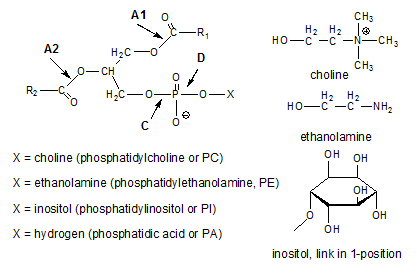
Lecithin as obtained by drying the gums resulting from the water degumming process contains a mixture of different phosphatides. The structural formulae of the main phosphatides present in lecithin are shown in Figure 1 (further information on phosphatides is available here...).

Figure 1

Figure 1. Chemical structure of most common phosphatides and indication of bonds that are hydrolysed by various phospholipase enzymes.

Table 1 gives the phosphatide composition of the phosphatide fraction in lecithins obtained from different oils.

Table 1. Composition (wt %) of phosphatides of various lecithins, adapted from [1]
PhosphatideSoyabeanSunflower seedRapeseed
PC323437
PE231720
PI213022
PA868
Others151313

Please keep in mind that Table 1 refers to lecithins, the mixture of phosphatides that has been obtained by degumming crude oil with water. Since this water degumming process does not remove all phosphatides from the oil, Table 1 does not reflect the composition of the phosphatides present in the crude oil itself.

Just as a triglyceride oil is a mixture of triacylglycerols with different fatty acids, each phosphatide is also a mixture of different compounds. These compounds differ in their fatty acid composition and isomerically, in their location on the glycerol backbone. In general, the fatty acid composition of the phosphatides reflects the fatty acid composition of the oil in which these phosphatides occur but it tends to have a higher palmitic acid content and a lower oleic acid content than the oil as illustrated by Table 2.

Table 2. Fatty acid compositions of vegetable lecithins and oils. Adapted from [1] and [2]
Fatty acidSoya beanSunflower seedRapeseed
LecithinOilLecithinOilLecithinOil
 161111774
18:0444512
18:1172318295661
18:2555463582522
18:3780<0610
Others104151

The above table contains the data required for arriving at a conversion factor that permits the amount of phosphatides present in the oil to be calculated from its phosphorus content. For the oils represented in Table 2, this factor equals about 25 to 26 [3]. In other words, oil containing say 200 ppm of phosphorus contains about 0.5 wt% phosphatides.

On the other hand, the literature often uses a factor of 31.5 [3] or thereabouts to arrive at the acetone-insoluble component of the lecithin. This difference stems from the fact that the acetone-insoluble component of lecithin also comprises glycolipids and sugars. The factor of 31.5 is therefore very much an empirical value. It should only be used for oils that have not yet been water-degummed since on water degumming, sugars are removed. For water-degummed oils, which contain alkaline earth salts of PA and lysophosphatidic acid (LPA) and some PE and lysophosphatidylethanolamine (LPE) and do not contain any more sugars, a factor of 23 to 24 should be used to convert phosphorus to phosphatides.

2.  Hydratability of Phosphatides

The extent to which a phosphatide present in the crude oil is removed during water degumming depends on its hydrophilicity. Phosphatidylinositol has five free hydroxyl groups on the inositol moiety that make PI strongly hydrophilic. Consequently, PI present in crude oil will be hydrated during the water degumming treatment and the PI content of properly water-degummed oil is negligible. Similarly, the positive charge of the trimethylamino group in phosphatidylcholine makes this phosphatide hydrophilic. This hydrophilicity does not depend on the pH of the water used to degum the oil since even at pH > 5, when the phosphate group in the PC is dissociated and therefore carries a negative charge, it does not form an internal salt with the quaternary amino group for steric reasons. Consequently, the positive quaternary amino group remains isolated at all pH values and causes PC to be hydrophilic at all pH values.

Table 3 shows what charges the various phosphatides carry at which pH.

Table 3. Charges of phosphatides as a function of pH
pHPCPEPIPACa-PA
2++000
3(+)(+)(0)(0)0
4(±)(±)(-)(-)0
5-7±±--0
8-9±±-(2-)0
>10±--2-0

Some charges in Table 3 have been put between parentheses. They indicate a transition between the value at lower pH and the value at higher pH. So according to Table 3, almost all phosphatidylethanolamine (PE) molecules have a positive charge at pH = 2. This charge causes these molecules to be hydrophilic so at that pH, PE is hydratable. When the pH is increased, more and more phosphate groups dissociate and so a zwitterion (indicated by ±) is formed in which the positive amino group forms an internal salt with the negative phosphate group. The positive and negative charges are so close together that the hydrophilicity of this zwitterion is quite weak and on water degumming, the hydration of PE is incomplete. Accordingly, water-degummed oil still contains some PE.

Now we come to phosphatidic acid (PA). In an acid environment, the hydroxyl groups of its phosphate moiety will not dissociate since the pKa value of the first hydroxyl group equals 2.7-3.8 [4]. Consequently, PA will be poorly hydratable and remain in the oil when this is brought into contact with acid water. When the pH of this water is raised to 5, most of the PA will be dissociated so that the molecule has a negative charge giving it a hydrophilicity that makes it hydratable. Accordingly lecithin contains some PA as illustrated by Table 1. When the pH of the water is raised even further, the second hydroxyl will also dissociate since its pKa is 7.9-8.6 [4], whereby the actual value depends on what other salts are present in the water.

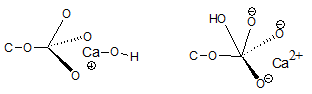
But what about the calcium salt of PA? According to the column on the far right in Table 3, this remains without charge at all pH values because the divalent calcium forms a salt with the two dissociated hydroxyl groups of the phosphate moiety. That is the reason that alkaline earth salts of PA remain in the oil when it is degummed with water. They are the main constituents of the nonhydratable phosphatides (NHP). However, when the oil is alkali refined, these salts are removed. Two possible mechanisms have been shown in Figure 2:

Figure 2

Figure 2. Calcium phosphatidate at high pH.

In the lefthand structure in Figure 2, a hydroxyl ion has been linked to the Ca2+ ion so that it only has a single positive charge and the salt itself has a negative charge making it hydratable. In the righthand structure, the hydroxyl ion has been linked to the phosphorus of the phosphate moiety so that the calcium retains its 2+ charge. Because of the addition of a negative hydroxyl group the salt itself becomes negatively charged and thus hydratable.

PA moieties present in crude oil are generally considered to originate from the hydrolysis of phosphatides such as PC, PE and PI. This hydrolysis is most likely catalysed by phospholipase D (see Fig. 1). Phospholipase A1 and A2 on the other hand lead to the formation of lysophosphatides by hydrolysing one of the ester bonds between a fatty acid and the glycerol moiety in the phosphatide. What about the hydratability of these lysophosphatides? Their free hydroxyl group is more hydrophilic than the original fatty acid ester, but does this make them hydratable when the parent compound is nonhydratable?

The answer to this question is not straightforward. According to [5], the nonhydratable phosphatides (NHP) comprise lysophosphatidic acid (LPA) and lysophosphatidylethanolamine (LPE), indicating that lysophosphatides are not completely hydratable. According to [6], enzymatic hydrolysis of the NHP present in the oil phase using phospholipase A1 and phospholipase A2 led to lyso-compounds that were only detected in the aqueous phase indicating the hydrolysis of NHP causes the resulting lyso-compounds to migrate to the aqueous phase.

In the case of partial glycerides, 1,3-diglycerides are more stable than 1,2-diglycerides. Similarly, 1-/3-(ฮฑ)-monoglycerides are more stable than 2-(ฮฒ)-monoglycerides so there is a preference for the fatty acid to be bound to the 1- and 3-positions. It is therefore to be expected that 1-acyl lysophosphatides are more stable than 2-acyl lysophosphatides and that the 2-acyl lysophosphatides formed by the action of the phospholipase A1 will isomerise to 1-acyl lysophosphatides. These have a fatty acid linked to a terminal carbon atom of the glycerol moiety and will therefore be prone to phospholipase A1-catalysed hydrolysis. This will lead to formation of a glycerophosphate and indeed glycerophosphates have been observed in the aqueous phase of oils treated with phospholipase A1 [7]; their concentrations were about equal to those of the lysophospholipids. However, in [6], the use of Lecitase® 10L (a phospholipase A2) led to lower concentrations of lysophosphatides in the aqueous phase than when a phospholipase A1 was used. This might indicate a higher stability of the 2-acyl lysophosphatides in comparison with their 1-isomers.

3.  Kinetics of Degumming Processes

The discussion of the hydratability of phosphatides indicates that their molecular structure determines whether they remain in the oil phase or move to the water phase when the oil containing them is contacted with water. They do not divide themselves over the two phases like isopropanol would do when added to a mixture of hexane and water. PE may be an exception in that the literature [8] suggests that PE is only removed on water degumming if other phosphatides with which the PE can form mixed micelles are present. PC is hydratable so there should be no residual PC in water-degummed oil. However, the analyses of quite a few samples of water degummed oil show some PC to be present. How come?

The reason lies in the kinetics of the degumming process. The samples still containing some PC do not represent the equilibrium situation and have not been given enough time to reach equilibrium. So when the partially degummed samples are again subjected to a water degumming treatment, their PC content will drop to the low level commensurate with the hydratability of PC. However, time is not the only factor involved. The interface between the oil and the water and the diffusion distance towards this interface are other factors affecting the hydration kinetics.

In the literature [9], relative rates of hydration have been reported and the values are shown in Table 4.

Table 4. Relative rate of hydration of various phospholipids
PhospholipidRelative rate of hydrationPhospholipidRelative rate of hydration
 
PC100PE (calcium salt)0.9
PI44PA8.5
PI (calcium salt)24PA (calcium salt)0.6
PE16Phytosphingolipid (calcium salt8.5
 

The values in this table have been quoted over and over again despite the fact that the article containing this table [9] and its table raise many questions. It mentions calcium salts of PI and PE but does not indicate their molecular structures. However, my main problem with Table 4 is that the article [9] does not indicate at all how these relative rates have been determined. Moreover, the fact that each phosphatide has a rate of hydration that is larger than zero implies that with some patience, water degumming should lead to complete removal of all phosphatides from the oil and that is not what is observed.

On the other hand, my doubts about the relative rates of hydration tabulated above do not mean that I do not recognise the existence of rate differences. When water is used as degumming agent, every phosphatide molecule reaching the oil/water interface encounters this agent. Yet, when an acid that is dissolved in this water has to interact with the phosphatides reaching this interface, most phosphatides will encounter just water and only a few will meet with the acid and react. This has important practical consequences.

In the water degumming process, the water has to be dispersed in the oil but the degree of dispersion is not very critical. A reasonable dispersion will already provide such an oil/water interface that hydratable phosphatides are hydrated and move into the water phase. For the acid to react with the nonhydratable phosphatides and decompose the NHP, a much finer dispersion is required because both reagents are diluted. A very fine dispersion is especially needed when the reaction has to be almost completed and a very low residual phosphatide content has to be reached. Moreover, the situation is aggravated because the water/oil dispersion is not stable. Aqueous acid droplets will coalesce, the interface will decrease, diffusion distances will increase and all this will slow down the reaction. Accordingly, the dispersion has to be so fine that the reaction between the acid and the NHP is almost instantaneous or at least almost completed within a minute.

These requirements are well illustrated by comparing the SOFT degumming process [10] and the Complete degumming process [11]. Both processes employ a salt of ethylene diamine tetraacetic acid (EDTA) as chelating agent to remove metal ions such as calcium ions from the NHP but they differ in that the process according to [10] employs an emulsifier to retard coalescence of the aqueous phase droplets and thus prolongs the reaction between the EDTA and the NHP. The process according to [11], on the other hand, starts with a very fine dispersion of the aqueous solution of the chelating agent in the oil to be degummed and thereby achieves an almost complete reaction between the EDTA and the NHP before coalescence starts to slow down the rate of reaction. The importance of a fine dispersion in degumming had already been pointed out by Mag and Reid [12] and Dijkstra and Van Opstal [13].

For the enzymatic degumming processes the dispersion of the aqueous phase is even more important since on a molar basis, the enzyme concentration is much lower than the concentrations of acid degumming agents and steric requirements lead to a lower Arrhenius factor for enzymatic reactions. In my recent review of enzymatic degumming [14], I referred to [15] which presentation shows that for a given degree of dispersion, the rate of the enzymatic reaction with NHP is an order of magnitude lower than the rate with highly diluted citric acid.

This degree of dispersion was maintained by circulating the contents of the laboratory reaction vessel three times per minute by means of a Silverson mixer. Doing something like that on industrial scale is impossible, which implies that in industrial degumming processes, enzymes do not interact with the NHP present in the oil phase. For the enzymatic degumming process to arrive at low residual phosphorus levels, it has to be preceded by a treatment with a finely dispersed acid that converts the NHP to PA. By raising the pH, this PA moves into the aqueous phase and once there it has become accessible to enzymes.

Abbreviations: PC, phosphatidylcholine; PE, phosphatidylethanolamine; PI, phosphatidylinositol; PA, phosphatidic acid; LPE, lysophosphatidylethanolamine; LPA, lysophosphatidic acid; NHP, non-hydratable phosphatide.

References

https://lipidlibrary.aocs.org/edible-oil-processing/introduction-to-degumming 

  1. Nieuwenhuyzen, W. van and Tomรกs, M.C. Update on vegetable lecithin and phospholipid technologies. Eur. J. Lipid Sci. Technol., 110, 472-486 (2008) (DOI: 10.1002/ejlt.200800041).
  2. Gunstone, F.D. and Harwood, J.L. Occurrence and characterisation of oils and fats. In: The Lipid Handbook (3rd edition), pp.37-142 (F.D. Gunstone, J.L. Harwood, and A.J. Dijkstra (eds.), Taylor & Francis Group, LLC, Boca Raton, FL) (2007).
  3. Pardun, H. Neuberechnung der zur Bestimmung des Phosphatidgehalts benรถtigten Umrechnungfaktoren. Fette Seifen Anstrichm., 83, 240-242 (1981).
  4. Abramson, M.B., Katzman, R., Wilson, C.E. and Gregor, H.P. Ionic properties of aqueous dispersions of phosphatidic acid. J. Biol. Chem., 239, 4066-4072 (1964).
  5. Dijkstra, A.J. and Van Opstal, M. The total degumming process. J. Am. Oil Chem. Soc.66, 1002-1009 (1989).
  6. Clausen, K. Enzymatic oil-degumming by a novel microbial phospholipase. Eur. J. Lipid Sci. Technol., 103, 333-340 (2001).
  7. Yang, B., Zhou, R., Yang, J.-G., Wang, Y.-H. and Wang, W.-F. Insight into the enzymatic degumming process of soybean oil. J. Am. Oil Chem. Soc., 85, 421-425 (2008) (DOI: 10.1007/s11746-008-1225-y).
  8. Kanamoto, R., Wada, Y., Miyajimi, G. and Kito, M. Phospholipid-phospholipid interaction in soybean oil. J. Am. Oil Chem. Soc., 58, 1050-1053 (1981).
  9. Sen Gupta, A.K. Neuere Entwicklungen auf dem Gebiet der Raffination der Speiseรถle. Fette Seifen Anstrichm., 88, 79-86 (1986).
  10. Jamil, S., Dufour, J.-P.G. and Deffense, E.M.J. (Fractionnement Tirtiaux S.A.), Process for degumming a fatty substance and fatty substance thus obtained, US Patent 6,015,915 (2000).
  11. Deffense, E.M.J. Method for eliminating metals from fatty substances and gums associated with said metals, US Patent 6,407,271 (2002).
  12. Mag, T.K. and Reid, M.P. (Canada Packers Limited), Continuous process for contacting of triglyceride oils with an acid, US Patent 4,240,972 (1980).
  13. Dijkstra, A.J. and Van Opstal, M. (N.V. Vandemoortele International), Process for producing degummed vegetable oils and gums of high phosphatidic acid content, European Patent 0 195 991 (1986).
  14. Dijkstra, A.J. Enzymatic degumming. Eur. J. Lipid Sci. Technol., 112, 1178-1180 (2010) (DOI: 10.1002/ejlt.201000320).
  15. Clausen, K., Nielsen, P.M., Andreasen, L.L., Petterson, H.F. and Borch, K. A new microbial phospholipase for degumming of vegetable oil. Paper presented at the 93rd AOCS Annual Meeting & Expo, Montrรฉal (2002).