Friday, 23 November 2012

Forage

Amongst land animals, forage is plant material (mainly plant leaves and stems) eaten by grazing livestock.

Historically, the term forage has meant only plants eaten by the animals directly as pasture, crop residue, or immature cereal crops, but it is also used more loosely to include similar plants cut for fodder and carried to the animals, especially as hay or silage.

Amongst aquatic animal, the term forage fish refers to small schooling fish that are preyed on by larger aquatic animals.

While the term forage has a broad definition, the term forage crop is used to define crops, annual or biennal, which are grown to be utilized by grazing or harvesting as a whole crop.

Saliva

Saliva is a watery substance located in the mouths of organisms, secreted by the salivary glands. Human saliva is composed of 99.5% water, while the other 0.5% consists of electrolytes, mucus, glycoproteins, enzymes, and antibacterial compounds such as secretory IgA and lysozyme.

The enzymes found in saliva are essential in beginning the process of digestion of dietary starches and fats. These enzymes also play a role in breaking down food particles entrapped within dental crevices, protecting teeth from bacterial decay.

Furthermore, saliva serves a lubricative function, wetting food and permitting the initiation of swallowing, and protecting the mucosal surfaces of the oral cavity from desiccation. Various species have special uses for saliva that go beyond predigestion. Some swifts use their gummy saliva to build nests. Aerodramus nests are prized for use in bird's nest soup.

Cobras, vipers, and certain other members of the venom clade hunt with venomous saliva injected by fangs. Some arthropods, such as spiders and caterpillars, create thread from salivary glands.

Ruminant Food

From Dr. Marie Bulgin 

Ruminant animals are designed to eat forages. They can meet all of their energy needs to grow, reproduce and stay healthy with feed that consist of 100% good quality roughage (alfalfa, grass-hay or good pasture). 

However, supplementation during certain periods. with concentrates (whole corn, barley, wheat, oats or other high carbohydrate feeds) may be in order. Ruminant animals. have a stomach that is composed of four compartments - reticulum, rumen, omasum and abomasum. The rumen serves as a large fermentation vat in which bacteria and protozoa actually digest the cellulose (otherwise known as fiber) in the forage which mammals can not do. 

The ruminant adds saliva to this material as it chews and swallows and then rechews when it later regurgitates (belches up) this material. This process is called rumination. (People say the animal is chewing its cud.) The purpose of the saliva is to add bicarbonate molecules to the rumen which helps control the acidity of the fermentation that goes on in the rumen. 

Once the fiber is partially digested and the particle size of the material is right, the feed goes through the other stomachs including the abomesum, which is actually the true stomach, just like the stomach of other mammals. 

There are two types of forages commonly fed to ruminants; 

legumes and 
grasses. 

Alfalfa, clovers, peas and beans are all legumes. These plants provide quite a bit more protein than other grasses and plants. Thus, for hay, at least, alfalfa is preferred because it is considered to be a higher quality feed. 

Protein is especially important in growing animals since protein can be likened to bricks, building blocks used to build tissue and bone. When purchasing feeds, protein content usually determines price. Even so alfalfa hay is generally the cheapest source of protein. The only draw back to the protein in alfalfa is that it is not readily available to the young ruminant which really isn't a ruminant at all until it develops the rumen organisms it needs to digest cellulose. 

For the calf, this would be about 6-7 months of age, for the kid and lamb it would be 60-90 days of age. Milk protein (100% digestible) is definitely the highest quality of protein that can be fed to young stock, and soy protein becomes beneficial as the youngster gets a little older, 60 days for calves, 30 days for the smaller ruminants. TDN which stands for total digestible nutrients is a measure of the energy present in the feed and is particularly important when trying to fatten animals or late in pregnancy as it protects against "ketosis" and "pregnancy toxemia,"- higher the value the better. Energy can be likened to gasoline. 

It runs the heart, lungs, brain, legs, etc. When the amount of energy is greater than the needs of the body, it is stored as fat. Thus, energy and protein need to be balanced according to the individual. A growing animal, a pregnant animal or a lactating animal all need more protein than an adult who has weaned her offspring and isn't pregnant. 

A working animal (cutting horse, breeding bull or sheep dog) all need a lot of energy.—And of course, show animals and feedlot animals which should be fat, need a lot of energy. Most forages, including alfalfa hay, have TDNs of around 50-55%. 

Grains and seeds on the other hand tend to have TDNs of 75-85%. Thus, when a high energy diet is required, one of the grains, often corn, is added to the diet. The major problem feeding grains are their propensity for producing acid when fermented by the rumen organisms. When the amount of grain is relatively small, the bicarbonate in the saliva will buffer the acid produced and all is well. However, if the animal is suddenly exposed to a lot of grain all at once, the acid produced will overwhelm the buffering capacity of the saliva and the animal becomes sick or acidotic. 

This is a serious condition requiring veterinary help and has killed many an animal. However, grain can be increased by small increments over time and the rumen organisms will adapt and not produce so much acid. 

Other nutrients besides protein and energy, (there are a total of 5) that need consideration are minerals, vitamins and water. 

Minerals are divided into macro minerals which are measured in grams or ozs and microminerals, measured in parts per million (ppm). Calcium (Ca) and phosphorus (P) are macrominerals and are very important for the production of bone and milk. 

Alfalfa hay has a calcium content of 1.4% but only 0.23%. phosphorus so it is a good supplier of calcium. Grains, on the other hand, have calcium contents of 0.1% while the phosphorus content is 0.4%. So, grains are better suppliers of P. For the best utilization of both calcium and phosphorus the over all Ca:P ratio should be 2.5 to 1. 

Keeping these minerals balanced can prevent urolithiasis (stones) in steers, bulls, wethers, rams and bucks. A good trace mineral salt generally supplies all of the needed microminerals although microminerals needs differ according to the species of animals. Almost all animals need more copper than sheep. 

It is very easy to give sheep too much copper. Make sure that there is no added copper in a trace mineral salt that is going to be fed to sheep. All animals need selenium. Selenium is deficient in many parts of the country. In those cases animal owners should make sure there is at least 90 ppm of selenium in the mix. 

Two important vitamin needs are Vitamin A and Vitamin D. Vitamin A is essential for keeping the skin, hooves and interior body linings in good repair. It is needed in larger amounts by young growing animals, lactating and pregnant animals. It can be supplied by any nice green forage and green leafy hay that was put up within the last year. 

Vitamin A is stored in the liver and animals on pasture during the summer usually store enough to make it through the winter, even if feed is low in vitamin A. Vitamin D is needed for the absorption of calcium and phosphorus from the intestine and for the building and repair of bones. The action of sunlight on the skin of animals can convert certain compounds in the skin into vitamin D. 

During the summer when animals are outside in the sun, they will make all the vitamin D they need. When animals are kept inside most of the time, or they live in rainy cloudy conditions (western Oregon for example), vitamin D should be supplemented. 

Nice green leafy hay that has been sun cured is also high in vitamin D. Vitamin E and selenium are co-workers. Together they are important in the production of immunity against diseases, certain enzymes and the integrity of muscle and red blood cells. Deficiencies of these two cause poor growth, poor health and in severe cases, white muscle disease. Vitamin E is also high in green leafy plants and hays, but is not stored in the body. If poor quality hay is being used during the winter, vitamin E should be supplemented. 

Water makes up the fifth essential nutrient. Adequate clean water should always be available. Ruminants require large amounts of water daily to keep the contents of their rumens in a liquid phase. Otherwise, the bacteria can not optimally mix with the feed. As a matter of fact, when water is restricted, ruminants will restrict the amount of dry matter they take in. Thus, feed efficiency and gain will be markedly affected. 

Lack of water also encourages the formation of bladder stones in the male. Alfalfa and corn make up the most common ruminant diets, although any forage and any grain can be substituted depending on availability and price. 

Field or dent corn: is commonly fed whole to small ruminant as they are more apt to chew their feed than cattle. Cattle which tend to swallow their food whole, do not digest whole grain well and they pass through in the manure. Yellow dent corn is dried in the field, creating a "dent" at the top of the kernel. 

About 90% of it is used for animal feed as it has a very thick outer skin that doesn't soften much even if you cook it for hours. Bovatec, a coccidiostat, limestone to supply calcium, vitamin A, D, or E, thiamine, minerals, salt, bicarbonate, antibloat compounds, antibiotics or other supplementation may also be included in diets depending on the ratio of forage to grain and the current disease problems being experience by the animals.

Tannin

Tannin toxicity in ruminant animals 

Tannins are phenolic compounds that are commonly found in plants. These compounds play a role in protection from predation, as well as growth regulation, when they are digested by herbivores. 

Found in the leaf, bud, seed, root, and stem tissues, tannins are widely distributed in many different species of plants. 

Tannins are separated into two classes: 

1. hydrolysable tannins and 
2. condensed tannins. 


Depending on their concentration and nature either class can have adverse or beneficial effects. When ruminants digest some plants, they acquire a surplus of tannins and rumen microbes do not have the enzymatic ability for degrading condensed tannins. 

In fact, digestion of tannins by ruminants in large amounts can reduce the activity and the proliferation of ruminal microorganisms reducing ruminal biohydrogenation.

Tannins can also precipitate proteins and inhibit the absorption of nutrients. Very high levels of tannin intake can produce toxicity that can even cause death. Animals normally consuming tannin-rich plants can develop defensive mechanisms against tannins, such as the strategic deployment of lipids and extracellular polysaccharides that have a high affinity to binding to tannins. 

These mechanisms prevent tannins from causing adverse effects on rumen microbes.

Rumen Microbiology

Vertebrates lack the ability to hydrolyse beta glycosidic bond of plant cellulose due to the lack of an enzyme celulase. Thus ruminants must completely depend upon the microbial flora, present in rumen or hindgut, so as to digest cellulose. 

Digestion of food in rumen is primarily carried out by the rumen microflora which contain dense populations of several species of bacteria, protozoa, sometimes yeasts and fungi. It is estimated that 1mm of rumen contains 10-50 billion bacteria, 1 million protozoa and several yeasts, fungi.

As the environment inside a rumen is anaerobic, most of these microbial species are obligate or facultative anaerobes which can decompose complex plant material such as cellulose, hemicellulose, starch, proteins. Hydrolysis of cellulose results in sugars which are further fermentated to acetate, lactate, propionate, butyrate, carbon dioxide and methane. During grazing, ruminants produce large amount of saliva. Estimates are within 100 to 150 litres of saliva per day for an adult cow.

The role of saliva is to provide ample fluid for rumen fermentation and as a buffering agent.

Rumen fermentation produces large amounts of organic acids and thus maintaining the appropriate pH of rumen fluids is a critical factor in rumen fermentation.

Ruminant Physiology

Ruminating animals have various physiological features which enable them to survive in nature. One feature of ruminants is their continuously growing teeth. 

During grazing, the silica content in forage causes abrasion of teeth. Abrasion of the teeth is compensated by continuous tooth growth throughout the ruminant's life, as opposed to humans or other non-ruminants whose teeth stop growing after a particular age. 

Most ruminants do not have upper incisors; instead they have a thick dental pad to thoroughly bite food. Camels and llamas are exceptions; their dentition shows traces of vesitigial central incisors in the upper jaw.

Rumen, Reticulum, Omasum & Abomasum


The primary difference between a ruminant and non-ruminant (called monogastrics, such as humans, dogs, and pigs) is that ruminants have a four-compartment stomach. 

The four parts of the stomach are rumen, reticulum, omasum, and abomasum. 

In the first two chambers, the rumen and the reticulum, the food is mixed with saliva and separates into layers of solid and liquid material. Solids clump together to form the cud or bolus. The cud is then regurgitated and chewed to completely mix it with saliva and to break down the particle size. 

Fiber, especially cellulose and hemi-cellulose, is primarily broken down into the three volatile fatty acids (VFAs), acetic acid, propanoic acid and beta-hydroxybutyric acid, in these chambers by microbes (mostly bacteria and well as some protozoa, fungi and yeast). 

Protein and non-structural carbohydrate (pectin, sugars, starches) are also fermented. Even though the rumen and reticulum have different names they represent the same functional space as digesta can move back and forth between them. Together these chambers are called the reticulorumen. 

The degraded digesta, which is now in the lower liquid part of the reticulorumen, then passes into the next chamber, the omasum, where water and many of the inorganic mineral elements are absorbed into the blood stream. After this the digesta is moved to the true stomach, the abomasum. 

The abomasum is the direct equivalent of the monogastric stomach (for example that of the human or pig), and digesta is digested here in much the same way. Digesta is finally moved into the small intestine, where the digestion and absorption of nutrients occurs. Microbes produced in the reticulorumen are also digested in the small intestine. Fermentation continues in the large intestine in the same way as in the reticulorumen. 

Only small amounts of glucose are absorbed from dietary carbohydrates. Most dietary carbohydrates are fermented into VFAs in the rumen. The glucose needed as energy for the brain and for lactose and milk fat in milk production, as well as other uses, comes from non-sugar sources such as the VFA propionate, glycerol, lactate and protein. 

The VFA propionate is used for around 70% of the glucose and glycogen produced and protein for another 20% (50% under starvation conditions). 

Ruminant

A ruminant is a mammal of the order Artiodactyla that digests plant-based food by initially softening it within the animal's first compartment of the stomach, principally through bacterial actions, then regurgitating the semi-digested mass, now known as cud, and chewing it again. 

The process of rechewing the cud to further break down plant matter and stimulate digestion is called "ruminating".

There are about 150 species of ruminants which include both domestic and wild species. Ruminating mammals include cattle, goats, sheep, giraffes, bison, moose, elk, yaks, water buffalo, deer, camels, alpacas, llamas, antelope, pronghorn, and nilgai. 

Taxonomically, the suborder Ruminantia includes all those species except the camels, llamas, and alpacas, which are Tylopoda. Therefore, the term 'ruminant' is not synonymous with Ruminantia. 

The word "ruminant" comes from the Latin ruminare, which means "to chew over again"

Ref
Wikipedia

Thursday, 22 November 2012

Obor Hemah


Guru adalah awan indah terbang rendah,
melimpahkan hujan pada musim gersang,
menyegarkan benih ilmu, berbuah hikmah;
ia renjis embun pada tanah bakat,
suara ihsan ketika manusia kalah,
sepi yang syahdu dalam dunia resah.

Guru - atap ganti ketika pondok bocor,
kitab sejarah dalam bilik darjah,
senyum penyembuh bagi wabak sengsara,
ia - sungai rangsang sentiasa tenang,
menghantar bahtera ke segara dharma,
memesan angin menghikmahkannya.

Guru adalah penelaah yang tekun,
mewariskan dunia sebagai kutubkhanah,
ia menyediakan kutubukhanah sebagai dunia,
ia mengemudi biduk, melepaskannya,
atas lambungan laut, merangsangkan
manusia menyelami rahsia khazanahnya.

Guru - minda segar dan kukuh akar,
menghidupkan batin yang bersih,
di daerah dunia cemar kasih,
dan pada ketika tak tersangkakan,
walaupun diambilnya kembali semua buku,
sempat ditinggalkan asas ilmu.

Guru adalah batin suci hatinurani,
penjunjung budi, manusia yang takwa,
obor hemah kehidupan bangsa.

A. Samad Said

2 April 1988


Tuesday, 20 November 2012

Kajian kesan tinja kambing kepada pokok sawit berpenyakit Ganoderma

Sejak menjerumuskan diri dalam industri ruminan, pelbagai soalan dan ilmu baru memasuki kotak minda dan otak yang berpusing ligat. Adakah ia petunjuk jelas bahawa satu masa nanti insan bernama Awang ini akan menjadi Awang Kambing! hah

..**
Ini pokok sawit kawan. Pokok sawit yang menjadi komoditi, sumber nafkah beratus ribu insan di dunia, sumber cukai negara yang berjumlah berbillion ringgit dan sumber pengerak ekonomi negara!

Ini pokok sawit yang dianggarkan berumur kurang 10 tahun yang sudah mengeluarkan hasil dalam anggaran 15 hingga 28 mt/hr/yr bergantung pada prestasi syarikat serta pengurusan.
 Seperti jua hidupan yang diciptakan Allah, pokok sawit juga ada penyakitnya. Ganoderma. Ya kawan! Kopi ganoderma adalah keluarga yang sama dengan goderma pokok sawit. Namun, ia ganoderma yang amat disukai oleh pengemar kopi yang termakan pujuk rayu iklan-sumber duit media negara.

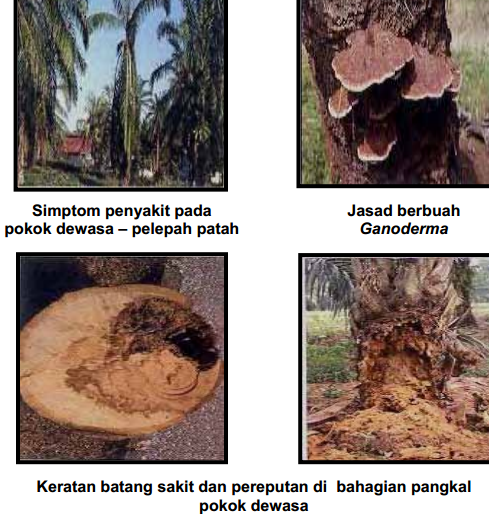
Ini contoh kulat ganoderma. Namun kawan, di ladang sawit, ia amat dibenci malah menjadi musuh utama pokok sawit!

 Ini pula cara kulat ganoderma merebak melalui akar.

Ini pula kesan pada pokok tua.
 Kesan pada pokok muda!
 dan akhirnya pokok-pokok sawit ini akan mati. Sebelum mati, ia juga akan menyebabkan pokok lain kiri kanan depan belakang serta jiran - jirannya turut berjangkit!

Dari sudut ekonomi dan jangka masa panjang, bila pokok sudah kena penyakit ala-ala kanser pada manusia, pokok ini tidak akan berbuah.

Tidak aka mengeluarkan hasil serta kan merugikan peladang, negara serta kerajaan tidak boleh lagi mengutip cukai yang tinggi sperti sekarang.

..**
Kisah kambing. Ini pula kambing kawan! (Insan gambar alwigoatfarm). Gambar kambing - kambing baru keluar waktu pagi untuk meragut dalam ladang sawit. Ya kawan, waktu pagi. Pukul 9 pagi kawan! 
 Ini pula kambing yang simpan dalam kandang pukul 9 pagi. Tapi dibagi makan daun kelapa sawit.
Satu kumpulan dibiar bebas meragut ikut-suka-hati mau makan apa. Satu kumpulan dikurung-paksa-makan daun sawit.

Mana yang lebih gembira-bahagia kawan? sendiri mau jawablah!
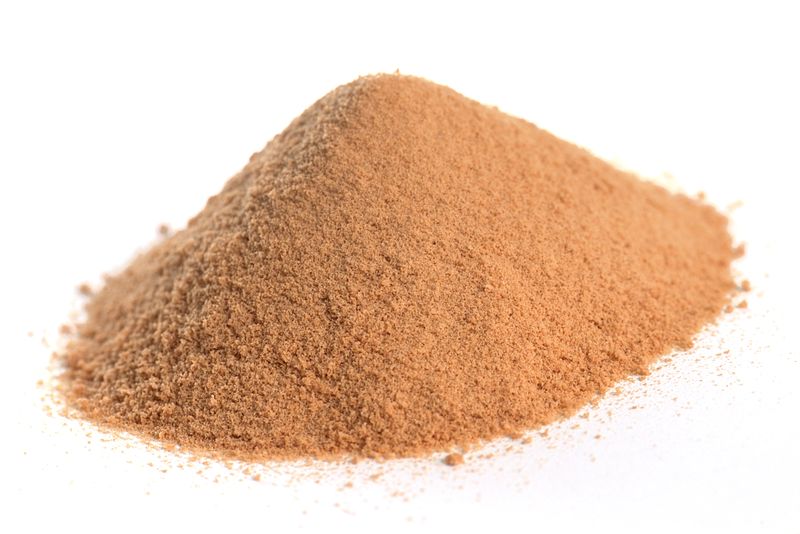
Ini pula tinja aka tahi kambing kawan.

Awang mahu menjadi pengkaji aka saintis kawan! Dia mahu kaji apakah terdapat kesan positif tinja kambing kepada pokok sawit. Secara spesifik adalah kesan tinja kambing kepada pokok sawit berpenyakit ganoderma.

Senang saja ujikajinya. 
1. Cari pokok sawit yang sudah teruk-mau-mati-esok-lusa disebabkan penyakit ganoderma.
2. Simpan tinja kambing mengikut-sukatan-suka-hati
3. Perhatikan pokok sawit tersebut setiap hari. Ambil gambar. Kaji gambar tersebut. Apakah ada perubahan?

Jangan risau kawau. Pokok sawit itu tidak akan mati disebabkan terlebih tinja kambing. Kerana tinjanya tidak lain hanya pokok - pokok serta pucuk rumput rumbuhan-hidup-liar dalam ladang sawit.

Dari tanah kepada tanah. Rawatan terbaik kepada tanah menggunakan tanah.

Secara ilmiahnya, ia belum pernah dikaji oleh sesiapa. Namun, Awang cukup optimis, ia akan membuahkan hasil. Ayuh kawan - kawan di luar sana. Kaji dan kaji. Tidak rugi kita mengikut sunnah para ilmuan serta sarjana duluan yang telah menjadi pelopor kepada ibu segala ilmu.

Bukan gelaran dikejar, tapi mencari kebenaran.

Laksana kata alwigoatfarm, berlian kebenaran itu di bawah timbunan batu kepalsuan.

Jika kajian ini berjaya, ia akan memberikan impak yang besar kepada industri sawit dan juga industri ruminan negara.

Ia akan membuka pintu kepada syrkt besar negara untuk mewujudkan integrasi sawit dan kambing secara skala besar.

Jika burung hantu boleh diperlihara untuk membasmi tikus yang memakan buah sawit, kenapa tidak dipelihara kambing yang boleh :-

1. Mengurangkan kos racun rumpai
2. Kos pekerja spray racun rumpai
3. Kos baja kerana menggunakan baja tinja kambing
4. Mejana keuntungan kerana kambing memberikan pulangan yang lumayan.

Ya kawan, kenapa tidak?

Ayuh kita usahakan. Jika tiada yang berminat, saya sanggup!

Salam.