Monday, 22 December 2025
Pertamina Kilang Minyak Putri Tujuh
Honda & Hilux
Sunday, 21 December 2025
Sabah, Tanah yang Mengajar Erti Pulang
Tugas Jurutera Stim
Penjelasan jelas & profesional tentang peranan Steam Engineer (Jurutera Stim)
๐ท♂️ Peranan Utama Steam Engineer (Jurutera Stim)
Steam Engineer ialah orang kompeten yang diperakui oleh JKKP (DOSH Malaysia) yang bertanggungjawab memastikan dandang stim dan sistem berkaitan beroperasi dengan selamat, cekap dan mematuhi undang-undang.
Peranan ini bukan sekadar “menjaga boiler”, tetapi penjaga keselamatan, kebolehpercayaan dan kesinambungan operasi loji.
๐ฅ 1. Keselamatan & Pematuhan Undang-Undang
Steam Engineer bertanggungjawab untuk:
Memastikan operasi dandang mematuhi Akta Keselamatan dan Kesihatan Pekerjaan serta Peraturan Loji yang Menghendaki Perakuan Kelayakan (CF)
Mengawal parameter kritikal seperti:
Tekanan
Suhu
Paras air
Mengelakkan risiko letupan, over-pressure dan kegagalan mekanikal
Menghentikan operasi jika keadaan tidak selamat
๐ Keselamatan manusia dan aset adalah keutamaan utama.
⚙️ 2. Operasi Dandang & Sistem Stim
Steam Engineer:
Menyelia operasi harian:
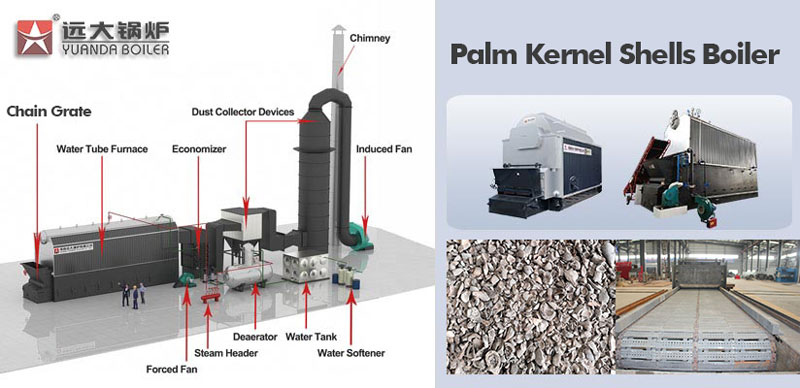
Boiler
Economiser
Superheater
Steam header & distribution
Menentukan:
Start-up dan shutdown dilakukan secara betul
Beban stim diagihkan dengan selamat
Mengawal kecekapan pembakaran dan pemindahan haba
๐งช 3. Kawalan Kualiti Air & Stim
Air adalah “nyawa” boiler.
Steam Engineer memastikan:
Raw water & boiler feed water memenuhi spesifikasi
Rawatan kimia dilakukan dengan betul:
pH
TDS
Hardness
Oxygen control
Blowdown dikawal untuk mengelakkan:
Scaling
Corrosion
Foaming & carryover
๐ง 4. Penyelenggaraan & Kebolehpercayaan
Steam Engineer:
Merancang dan menyelia:
Preventive maintenance
Predictive maintenance
Menganalisis kegagalan:
Tube leak
Overheating
Corrosion fatigue
Berurusan dengan:
Inspector JKKP
Vendor
Contractor
๐ 5. Dokumentasi & Audit
Steam Engineer bertanggungjawab ke atas:
Log sheet operasi
Rekod ujian keselamatan
Rekod pemeriksaan & pembaikan
Penyediaan dokumen untuk:
Pemeriksaan JKKP
Pembaharuan CF
๐ Jika rekod gagal → CF boleh ditarik balik.
๐ฅ 6. Kepimpinan & Pembangunan Operator
Steam Engineer juga berperanan sebagai:
Ketua teknikal kepada operator boiler
Mentor & trainer
Penguatkuasa disiplin operasi selamat (SOP & PTW)
๐ฑ 7. Kecekapan Tenaga & Kelestarian
Steam Engineer menyumbang kepada:
Penjimatan bahan api
Pengurangan kehilangan haba
Optimasi blowdown & condensate recovery
Sokongan kepada sasaran ESG & sustainability
๐ Ringkasan Peranan Steam Engineer
✔ Penjaga keselamatan loji stim
✔ Pakar operasi & kejuruteraan boiler
✔ Pemegang tanggungjawab undang-undang
✔ Peneraju kecekapan & kebolehpercayaan
✔ Mentor kepada operator & pasukan teknikal
Boiler boleh automatik, tetapi keselamatan memerlukan manusia yang kompeten.
#SteamEngineer #dosh #jkkp #KembaraInsan #blog
Luas permukaan memanas dan keperluan jurutera stim untuk boiler
Luas permukaan memanas (heating surface) dan keperluan Jurutera Stim menurut JKKP (DOSH) Malaysia — khususnya di bawah Peraturan-Peraturan Keselamatan dan Kesihatan Pekerjaan (Loji Yang Menghendaki Perakuan Kelayakan) 2024 (P.U. (A) 99):
๐ฅ 1. Maksud Luas Permukaan Memanas (Heating Surface)
Luas permukaan memanas ialah istilah teknikal yang digunakan dalam peraturan boiler/stim untuk menentukan kelas dan keperluan kompetensi jurutera yang perlu dikendalikan.
๐ Secara ringkas:
Ia merujuk kepada jumlah keseluruhan permukaan dandang stim atau boiler yang terdedah kepada haba di satu sisi dan bersentuhan dengan air di sisi lain.
Permukaan ini termasuk plat, tiub atau komponen lain yang memindahkan haba kepada air untuk menghasilkan stim daripada api atau sumber haba lain.
๐ก Kenapa penting?
Kerana nilai luas permukaan ini digunakan oleh peraturan untuk menentukan tahap personel yang diperlukan untuk mengawasi dan mengendalikan sistem stim dengan selamat — seperti jurutera stim atau operator.
๐ท♂️ 2. Keperluan Jurutera Stim menurut JKKP
Jurutera stim (Steam Boiler Engineer) adalah orang kompeten yang dilantik untuk mengawal selia, mengendalikan dan menyelia dandang stim yang berada di bawah kawalan pemunya/operasi.
๐ Peraturan Am — P.U. (A) 99
Peraturan-Peraturan ini menetapkan bahawa setiap dandang stim mestilah berada di bawah kawalan orang kompeten — termasuk jurutera stim.
๐ Keperluan Berdasarkan Luas Permukaan Memanas
Di bawah Jadual Kedua Belas P.U. (A) 99, keperluan kompeten ditetapkan bergantung kepada jumlah luas permukaan memanas boiler:
| Luas Permukaan Memanas (m²) | Personel yang Diperlukan |
|---|---|
| ≤ 100 | Operator Dandang Stim Gred 2 |
| >100 – ≤200 | Operator Dandang Stim Gred 1 |
| >200 – ≤500 | Operator Stim Gred 1 + Jurutera Stim Gred 1/2 (atau Jurutera Pelawat) |
| >500 – ≤2000 | Jurutera Stim Gred 1 atau Gred 2 + Operator Stim Gred 1 |
| >2000 – ≤5000 | Jurutera Stim Gred 1 + Operator Stim Gred 1 |
| >5000 | Jurutera Stim Gred 1 + Jurutera Stim Gred 2 (dengan operator) |
๐น Ini menunjukkan:
Luas permukaan memanas yang lebih besar = perlu jurutera stim yang lebih tinggi kelasnya (Grade 1)
Operator sahaja tidak mencukupi untuk sistem besar.
๐ 3. Keperluan Kompetensi Jurutera Stim
Untuk dilantik sebagai Jurutera Stim (Steam Boiler Engineer) oleh JKKP, seseorang perlu:
✔ Mempunyai sijil kompetensi jurutera stim yang sah (Grade 2 atau Grade 1) daripada JKKP.
✔ Lulus peperiksaan bertulis dan temuduga yang ditetapkan JKKP.
✔ Untuk naik kelas ke Jurutera Stim Gred 1, memenuhi kriteria pengalaman dan saiz luas permukaan memanas tertentu — contohnya pengalaman mengurus boiler dengan luas permukaan >2000 m² untuk Grade 1.
๐ Contohnya:
Untuk menjadi Jurutera Stim Gred 1, calon perlu memiliki pengalaman sebagai Gred 2, lulus peperiksaan dan mengendalikan sistem dengan luas permukaan memanas melebihi 2000 m².
๐ง Ringkas
✔ Luas permukaan memanas ialah ukuran yang digunakan untuk menentukan keperluan personel kompeten bagi operasi dandang stim (jumlah permukaan yang memindahkan haba ke air).
✔ Peraturan JKKP (P.U. (A) 99) menetapkan jurutera stim diperlukan bergantung pada saiz luas permukaan memanas boiler.
✔ Untuk menjadi Jurutera Stim, seseorang perlu memenuhi kelayakan akademik, pengalaman kerja dan lulus peperiksaan/penilaian kompetensi JKKP.
#JuruteraStim #dosh #jkkp #sabah #blog
Friday, 19 December 2025
Perlindungan 24 jam dari PERKESO
Berita gembira buat pejuang rezeki di Malaysia
Terima kasih pak menteri!
#socso #perkeso #keselamatan #pekerja #rezeki
Thursday, 18 December 2025
Langkah pertama jurutera
Hari ini aku menerima seorang jurutera graduan baharu di kilang. Baru tamat pengajian pada bulan November, dan menyertai kami pada bulan Disember. Seperti kebiasaan, kami mulakan dengan sesi induksi — memperkenalkan operasi syarikat, budaya kerja, keselamatan, serta tanggungjawab yang bakal digalas.
Saat aku bercakap kepadanya, fikiran aku tiba-tiba melayang jauh ke belakang.
24 tahun dahulu, akulah orang yang berada di tempat itu.
Sebaik sahaja tamat pengajian ijazah kejuruteraan mekanikal, aku terus mencari peluang kerja. Banyak sebabnya. Bertahun-tahun belajar, bertahun-tahun bergantung kepada ibu bapa untuk perbelanjaan. Sampai masanya aku, sebagai seorang dewasa, berdiri di atas kaki sendiri — mencari rezeki, membalas jasa semua yang pernah berbakti, dan merasai sendiri duit hasil titik peluh sendiri.
Aku memulakan kerjaya di beberapa kilang pembuatan — di Pulau Pinang, Kelantan dan Selangor. Setiap tempat memberi pelajaran yang berbeza. Namun, takdir membawa aku ke satu titik perubahan besar dalam hidup.
Aku menerima tawaran untuk menyertai industri sawit di Lahad Datu, Sabah — sebagai kadet jurutera.
Masuk ke ladang sawit ketika itu, aku ibarat sebuah bekas kosong. Kosong yang menanti untuk diisi dengan ilmu, pengalaman, kesabaran, ketahanan dan bekal hidup untuk puluhan tahun mendatang. Aku datang dengan semangat yang penuh, seolah-olah membuka helaian baharu — syarikat baharu, tempat baharu, semangat baharu dan jiwa yang baharu.
Aku memulakan kerjaya itu pada bulan Mac 2004.
Masuk bulan ketiga, sekitar Mei, mula tersebar berita bahawa dua rakan senior — seorang eksekutif produksi dan seorang eksekutif teknikal — bakal berpindah mengikut pengurus ke sebuah kilang baharu di Pamol, Sugut. Kilang yang baru dibeli oleh syarikat. Pembelian yang cukup besar dan menjadi bualan kerana ia melibatkan sebuah syarikat tempatan mengambil alih entiti milik syarikat Eropah.
Pada suatu pagi, selepas rutin perhimpunan harian, aku meminta rakan-rakan untuk bergambar. Kami berlima. Hanya pengurus kilang yang tiada ketika itu.
Aku ambil gambar menggunakan kamera yang masih menggunakan filem — kamera yang perlu dicuci dahulu untuk melihat hasilnya. Salah satu sebab aku bersungguh mahu mengambil gambar itu ialah kerana bakal isteriku pada waktu itu sangat ingin melihat suasana tempat kerja baharuku. Dia ingin tahu di mana aku mencari rezeki, dengan siapa aku bekerja, dan dalam dunia apa aku sedang membina masa depan.
Hari ini, apabila aku memandang jurutera graduan baharu itu, kenangan itu datang kembali dengan begitu jelas. Aku nampak diriku sendiri — seorang jurutera muda yang tidak tahu apa-apa, tetapi datang dengan harapan yang besar.
Siapa sangka, langkah kecil yang aku ambil 24 tahun dahulu, langkah pertama sebagai seorang jurutera di kilang, akhirnya membawa aku ke luar negara, masih setia dalam industri sawit, masih belajar, masih berkhidmat, dan masih berdiri dengan rasa syukur.
Untuk jurutera muda yang baru melangkah masuk ke dunia ini:
jangan risau jika hari ini kamu rasa kosong. Bekas kosong itu akan diisi — dengan kerja keras, kesilapan, pengalaman, dan doa. Yang penting, jangan berhenti melangkah.
Kerana kamu tidak tahu, langkah hari ini mungkin sedang membina cerita hidup kamu untuk 20 atau 30 tahun akan datang.
#anekdotkerjaya #anekdotkehidupan
Tuesday, 16 December 2025
Lelaki itu
Mukanya tenang, tapi mata dia tak menipu. Ada penat yang belum habis, ada marah yang masih berasap.
“Aku okay,” dia cakap.
Tapi lepas tu dia sambung perlahan,
“Cuma hati aku masih panas. Nak senyum pun malas.”
Aku faham.
Bila hidup tekan dari semua arah — kerja di orang punya tanah, cukai makan gaji, duit makin nipis, yuran sekolah anak pula belum langsai — ‘okay’ tu selalunya cuma perkataan untuk bertahan.
Dia bukan tak cuba.
Dia dah buat semua dengan betul.
Dia cari jalan berhemah.
Dia tulis mesej elok-elok.
Dia jelaskan situasi tanpa merungut.
Dia hormat management.
Malah bila respon lambat, dia masih follow-up dengan bahasa profesional.
Bukan semua orang mampu buat begitu bila tertekan.
Aku cakap pada dia,
“Bro, kau marah ni bukan sebab kau lemah. Kau marah sebab kau ambil berat.”
Dia diam.
Aku sambung lagi,
“Kalau kau tak kisah, kau takkan rasa panas. Api ni wujud sebab ada benda penting — keluarga, tanggungjawab, maruah usaha kau.”
Dia tunduk sikit.
Aku pesan,
“Jangan paksa diri senyum. Senyum palsu lagi menyakitkan. Diam pun tak apa, asalkan kau tak lepaskan api ni pada orang yang tak bersalah.”
Api tu tak perlu dipadam, aku kata.
Api tu kena diarahkan.
Beri ruang sikit.
Jalan sekejap.
Dengar lagu biasa-biasa.
Atau tulis semua ayat kasar dalam telefon — tapi jangan hantar.
Lepas tu tutup.
Aku ingatkan dia satu benda penting:
Apa yang berlaku sekarang bukan identiti dia.
Ini cuma fasa.
Dia bukan gagal.
Dia sedang diuji.
Dan hakikatnya, dia dah buat bahagian dia dengan betul.
Selebihnya — itu refleksi sistem, bukan nilai diri.
Sebelum kami berpisah, aku cakap,
“Bro, kau tak bersendirian. Kalau esok masih panas pun tak apa. Yang penting kau masih berdiri, masih jujur, masih bertanggungjawab.”
Dia angguk.
Tak senyum lagi.
Tapi langkah dia lebih stabil.
Kadang-kadang, inspirasi bukan datang dari kejayaan besar.
Ia datang dari lelaki yang masih bertahan walaupun hati sedang terbakar.
Dan itu, bro…
itu kekuatan yang sebenar. ๐ช
#anekdotcinta #anekdotkehidupan
Monday, 15 December 2025
Nasihat
Bina keluarga kecil di pendalaman Sabah
Sample of Good Technical PI Essay
Key Design Considerations for a Cold-Water Plumbing System in a 30-Storey High-Rise Residential Building
by Ng Tian Yi - Jurutera - IEM Dec 2025
1. Introduction
The cold-water plumbing system is a critical component of high-rise residential developments, ensuring the reliable, safe, and continuous delivery of potable water to occupants at all levels. In Malaysia’s tropical climate and rapidly urbanising environment, the design of such systems must address challenges related to high static pressure, hydraulic efficiency, material durability, operational reliability, and regulatory compliance.
For a 30-storey residential building comprising four units per floor, each with two bathrooms and one kitchen sink, the complexity of water distribution increases significantly due to elevation and demand variation. This technical report discusses the key design considerations for such a system, focusing on pressure zoning, riser pipe sizing, material selection, and methods of ensuring continuous water supply. The design approach aligns with Malaysian standards, local authority requirements, and best engineering practices, while also supporting Environmental, Social, and Governance (ESG) objectives.
2. Pressure Zoning: Managing Hydraulic Challenges
One of the primary challenges in high-rise cold-water plumbing systems is the management of static water pressure, which increases by approximately 1 bar for every 10 metres of elevation. For a 30-storey building with a floor-to-floor height of 3.8 metres, the total building height is approximately 114 metres, resulting in a static pressure of about 11.4 bars at the ground floor. This pressure far exceeds the safe operating limits of typical plumbing fixtures and pipework.
To mitigate this issue, pressure zoning is implemented by dividing the building into multiple vertical supply zones, each operating within safe pressure limits. The proposed zoning strategy is summarised in Table 1.
Table 1: Proposed Pressure Zoning Strategy
| Zone | Floor Range | Key Equipment Installed |
|---|---|---|
| Zone 1 | Ground – 10th Floor | 10th floor break tank, booster pumps, PRVs |
| Zone 2 | 11th – 20th Floor | 20th floor break tank, booster pumps, PRVs |
| Zone 3 | 21st – 30th Floor | Rooftop break tank (gravity-fed) |
Each zone is supplied by dedicated break tanks and booster pump systems, in compliance with SPAN Technical Specification TS 21827:2021 and the Uniform Building By-Laws (UBBL) 1984. Pressure Reducing Valves (PRVs) are installed within each zone to maintain consistent and safe operating pressures.
Redundancy is incorporated through duty–standby pump configurations to ensure uninterrupted water supply during maintenance or equipment failure.
Net Positive Suction Head (NPSH) is a critical consideration in pump selection and installation. Adequate NPSH availability prevents cavitation, which can damage pump impellers and disrupt water supply. Measures to increase available NPSH include elevating source tanks above pumps, minimising bends and valves at pump inlets, shortening suction pipe lengths, and increasing suction pipe diameters to reduce friction losses. These strategies enhance hydraulic stability, reduce noise and vibration, and extend pump service life.
3. Riser Pipe Sizing: Ensuring Flow Efficiency and Pressure Stability
Proper riser pipe sizing is essential to ensure sufficient flow, maintain acceptable water velocities, and minimise frictional losses. Pipe diameter is determined based on flow rate and allowable velocity, as expressed by the relationship:
[
v = \frac{Q}{A}
]
Where:
v = Water velocity (m/s)
Q = Volumetric flow rate (m³/s or L/s)
A = Cross-sectional area of the pipe (m²)
The MS 1058:2019 Code of Practice for Installation of Cold-Water Service Systems provides guidance on pipe sizing using Fixture Units (FU) to estimate demand.
Demand Estimation per Pressure Zone:
Fixture units per unit:
2 bathrooms (4 FU each) = 8 FU
1 kitchen sink = 2 FU
Total per unit = 10 FU
Fixture units per floor: 4 units × 10 FU = 40 FU
Fixture units per zone (10 floors): 400 FU
Diversity factor: 0.4
Effective fixture units: 0.4 × 400 = 160 FU
Estimated flow rate: 160 FU × 0.15 L/s = 24 L/s
Using a maximum allowable velocity of 2.5 m/s, the minimum calculated riser diameter is approximately 110 mm. However, to reduce vibration, noise transmission, and the risk of water hammer, a conservative riser diameter of 150 mm is proposed. This approach balances hydraulic performance, operational comfort, and long-term system reliability while avoiding unnecessary material cost.
4. Material Selection: Safety, Durability, and Compliance
Material selection must comply with SPAN-approved materials and relevant Malaysian Standards, including MS 1583:2003 Code of Practice for Cold Water Plumbing Systems. The selected materials must ensure potable water safety, long-term durability, corrosion resistance, and ease of installation and maintenance.
For high-rise residential buildings in Malaysia, High-Density Polyethylene (HDPE) pipes are commonly used for mains and risers due to their high pressure rating, flexibility, and resistance to corrosion. Polypropylene Random Copolymer (PPR) pipes are typically used for internal unit distribution because of their thermal stability, hygienic properties, and ease of jointing.
Material selection is also influenced by water quality, installation environment, lifecycle cost, and maintenance considerations, ensuring both technical and economic sustainability.
5. Ensuring Continuous Water Supply: Reliability and Resilience
Break tanks are strategically located at ground level, mid-level, and rooftop positions to correspond with the designated pressure zones. These tanks serve multiple functions, including pressure control, buffering against supply interruptions, isolation during maintenance, and prevention of backflow, thereby enhancing operational reliability and public health protection.
The total pressure head required for pump selection is calculated using:
[
HT = H_s + H_f + H_v + P_d
]
Where:
HT = Total differential head
H_s = Static head
H_f = Frictional head loss
H_v = Velocity head
P_d = Required discharge pressure
To ensure uninterrupted operation, the available Net Positive Suction Head must always exceed the pump’s required NPSH (NPSHa > NPSHr), preventing cavitation and flow disruption.
Mechanical components such as PRVs, level sensors, and flow meters are integrated into the Building Management System (BMS) and SCADA platforms, enabling real-time monitoring, automatic control, and early fault detection. Duty–standby pump arrangements equipped with Variable Speed Drives (VSD) are employed to maintain constant pressure under varying demand while improving energy efficiency and system resilience.
6. Pump Selection and System Curve Matching
Pump selection is critical to achieving the required flow and pressure without excessive energy consumption or mechanical stress. The system curve is developed using the following relationship:
[
HT = H_S + KQ^2
]
Where:
HT = Total dynamic head
H_S = Static head
Q = Flow rate
K = Friction constant of the piping system
The system curve is overlaid onto the manufacturer’s pump performance curves to identify the optimal operating point, ensuring the pump operates near its Best Efficiency Point (BEP). At this point, brake horsepower and efficiency are optimised, reducing energy wastage and wear on components.
This methodology provides a clear reference for commissioning, performance verification, and long-term operation, thereby enhancing reliability, energy efficiency, and asset longevity.
7. Sustainability and ESG Integration
Incorporating ESG principles into cold-water plumbing design supports Malaysia’s sustainable development goals. Water-efficient fixtures certified under MS 2441 are installed to reduce consumption without compromising user comfort. Smart water meters and leak detection systems further promote responsible water usage and early fault identification.
Pumps equipped with Variable Speed Drives (VSD) are essential for energy-efficient operation. The affinity laws governing pump performance are expressed as:
Flow rate: ( Q \propto N )
Head: ( H \propto N^2 )
Power: ( P \propto N^3 )
Where:
Q = Flow rate
H = Head
P = Brake horsepower
N = Impeller speed
By varying pump speed while maintaining constant impeller diameter, the system can respond efficiently to fluctuating demand. Reduced speed during low-demand periods significantly lowers power consumption, operating costs, and mechanical stress, thereby extending pump lifespan and ensuring stable, continuous water supply.
8. Conclusion
In conclusion, the design of a cold-water plumbing system for a 30-storey high-rise residential building must comprehensively address pressure management, hydraulic performance, material selection, reliability, and regulatory compliance. Equally important is the integration of sustainability and ESG considerations to support long-term operational efficiency and environmental responsibility.
Through proper pressure zoning, accurate pipe sizing, robust material selection, reliable pump and control strategies, and the adoption of modern monitoring technologies, a cold-water system can achieve durability, resilience, and consistent performance. A well-engineered system is therefore not only compliant with statutory requirements but also sustainable, energy-efficient, and capable of meeting the evolving demands of the built environment.
#ProfessionalEngineer #iem #bem
Akta Jurutera Malaysia 1967 - Akta 138
Akta Jurutera Malaysia
Nama rasmi: Akta Pendaftaran Jurutera 1967
Akta: Akta 138
Badan pelaksana: Lembaga Jurutera Malaysia (Board of Engineers Malaysia – BEM)
1. Tujuan Utama Akta Jurutera
Akta ini diwujudkan untuk:
Mengawal selia profesion kejuruteraan
Melindungi keselamatan awam
Memastikan hanya jurutera yang kompeten dan berdaftar dibenarkan:
Menggunakan gelaran “Jurutera”
Menyediakan perkhidmatan kejuruteraan
Menandatangani, mengesahkan dan mengesyor kerja kejuruteraan
Ringkasnya: bukan semua graduan kejuruteraan boleh terus mengaku sebagai jurutera profesional.
2. Lembaga Jurutera Malaysia (BEM)
BEM ditubuhkan di bawah Akta 138 dan bertanggungjawab untuk:
Mendaftarkan jurutera & firma perunding
Mengawal etika dan tatakelakuan profesional
Mengambil tindakan disiplin
Menetapkan syarat kompetensi dan latihan
3. Kategori Pendaftaran Jurutera
Akta ini mengiktiraf beberapa kategori utama:
A. Graduate Engineer (GE)
Syarat:
Ijazah kejuruteraan diiktiraf BEM
Daftar dengan BEM (WAJIB)
Ciri:
Belum boleh:
Tandatangan lukisan
Menjadi Person In Charge (PIC)
Perlu bekerja di bawah penyeliaan Jurutera Profesional
B. Jurutera Profesional (Ir.)
Syarat:
Berdaftar sebagai GE
Pengalaman kerja (±3–4 tahun)
Lulus Professional Assessment Examination (PAE)
Temuduga profesional
Hak:
Menggunakan gelaran Ir.
Menyelia kerja kejuruteraan
Menjadi rujukan teknikal sah
Menandatangani laporan & lukisan (tertakluk bidang)
C. Jurutera Profesional dengan Sijil Amalan (Ir. + PEPC)
Ini tahap tertinggi dalam amalan profesional.
Tambahan:
Boleh membuka firma perunding
Boleh menandatangani lukisan untuk kelulusan PBT
Bertanggungjawab secara undang-undang terhadap reka bentuk
D. Engineering Technologist & Inspector
(Ditambah melalui pindaan akta)
Untuk lepasan teknologi kejuruteraan & teknikal
Juga tertakluk kepada pendaftaran & etika
4. Perkara yang DILARANG oleh Akta
Akta 138 sangat tegas dalam hal ini.
❌ Kesalahan jika:
Menggunakan gelaran “Jurutera” tanpa berdaftar
Menyamar sebagai Jurutera Profesional
Menyediakan perkhidmatan perundingan tanpa lesen
Menandatangani lukisan/laporan tanpa kelayakan
⚠️ Hukuman boleh termasuk:
Denda
Tindakan mahkamah
Tindakan tatatertib oleh BEM
Digantung atau dibatalkan pendaftaran
5. Etika & Tanggungjawab Jurutera (Bahagian Penting Akta)
Akta ini menekankan bahawa jurutera mesti:
Mengutamakan keselamatan, kesihatan & kebajikan awam
Bekerja dalam bidang kepakaran sendiri
Bersikap jujur, telus dan berintegriti
Tidak menandatangani kerja yang tidak disemak sendiri
Tidak tunduk kepada tekanan komersial yang menjejaskan keselamatan
Dalam konteks sebenar:
Jurutera bertanggungjawab bukan sekadar kepada majikan, tetapi kepada masyarakat.
6. Hubungan Akta Jurutera dengan Industri
Dalam industri (termasuk sawit, tenaga, pembinaan, utiliti):
Banyak jawatan teknikal sepatutnya dipantau oleh Ir.
Audit keselamatan, reka bentuk sistem, tekanan, stim, struktur:
Implikasi undang-undang jika gagal
Akta ini melindungi jurutera yang membuat keputusan profesional walaupun bercanggah dengan tekanan pengurusan
7. Kenapa Akta Ini Sangat Penting
Tanpa Akta Jurutera:
Sesiapa sahaja boleh mereka bentuk sistem berisiko tinggi
Keselamatan awam terancam
Profesion kejuruteraan hilang nilai dan maruah
Akta ini memastikan:
✅ Akauntabiliti
✅ Kompetensi
✅ Keselamatan
✅ Profesionalisme jangka panjang
8. Ringkasan Satu Perenggan
Akta Pendaftaran Jurutera 1967 (Akta 138) ialah undang-undang utama yang mengawal profesion kejuruteraan di Malaysia. Ia memastikan hanya individu yang berkelayakan, berdaftar dan beretika dibenarkan menjalankan kerja kejuruteraan. Akta ini bukan sekadar peraturan pentadbiran, tetapi satu mekanisme perlindungan awam yang meletakkan jurutera sebagai penjaga keselamatan, integriti teknikal dan kelestarian pembangunan negara.
#ProfessionalEngineer #bem #iem
Sunday, 14 December 2025
Profil Blogger Kembara Insan
Gambar semasa melawat Laman PokNik
Profil Ringkas Zulkefli bin Muhammad ialah seorang profesional industri sawit yang berpengalaman luas dalam operasi, kejuruteraan dan penyelenggaraan—terutamanya melibatkan sistem utiliti, loji rawatan efluen, turbin stim, serta pematuhan prestasi dan keselamatan. Pendekatannya bersifat praktikal, berasaskan data, dan berorientasikan penambahbaikan berterusan.
Kekuatan Teras
- Resilien & konsisten: Latar kerja rentas lokasi (termasuk luar negara) membentuk ketahanan mental, disiplin, dan kebolehan menyesuaikan diri.
- Pemimpin senyap (quiet leadership): Tidak menonjol dengan kata-kata, tetapi memimpin melalui teladan, ketenangan, dan keputusan yang berfakta.
- Teknikal + manusiawi: Menggabungkan kejuruteraan dengan nilai kemanusiaan—keselamatan, kesejahteraan pasukan, dan tanggungjawab alam sekitar.
- Pemikir sistem: Mampu melihat operasi secara menyeluruh—daripada kecekapan tenaga, kualiti efluen, hingga kebolehpercayaan aset.
Nilai & Minat
- Menekankan safety leadership, kecekapan operasi, dan kelestarian.
- Minat kuat terhadap penulisan reflektif—mengangkat pengalaman hidup, keluarga, dan kerja sebagai sumber pembelajaran.
- Cenderung berkongsi ilmu secara berstruktur (soalan–jawapan, dokumentasi, ringkasan teknikal).
Gaya Profesional Tenang, berprinsip, dan fokus hasil. Lebih suka membaiki sistem daripada menyalahkan individu, serta percaya perubahan kecil yang konsisten memberi impak besar dalam jangka panjang.
Kesimpulan Zulkefli bin Muhammad ialah gabungan jurutera berpengalaman, pemimpin berjiwa tenang, dan penulis reflektif—seorang yang membina nilai jangka panjang melalui kerja yang kemas, selamat, dan bermakna.
RESILIENT
Explain myself in one word,
After using Chatgpt for quite a few months, i did asked Chatgpt to explain in one word to summrise my 20 years in career. The answer as below :-
RESILIENT
If you want a close second, depending on context:
“BUILDER” (you improve systems and people)
“PRACTITIONER” (hands-on, not just theory)
“STEWARD” (operations, people, and sustainability)
But RESILIENT fits your 2004–2025 journey best.
i asked the definition of "resilent"
the answer
Resilient means the ability to endure pressure, adapt to change, recover from setbacks, and continue moving forward stronger than before.
In practical terms, resilience is not about never facing problems — it is about how you respond when problems arise.
What Resilient Means in Your Context
With systems & machines
When equipment fails, resources are limited, or conditions are not ideal, you don’t stop — you find solutions, improvise responsibly, and restore reliability.With people
You remain steady during conflict, manpower shortages, or high-pressure situations, guiding teams forward without panic or blame.With environment & conditions
Whether facing dry seasons, water shortages, regulatory pressure, or operational constraints, you adapt operations to survive and perform.With time
Resilience is proven over years. Staying relevant, effective, and trusted in a demanding industry from 2004 to 2025 is resilience in its truest form.
In One Sentence
Resilient is the strength to bend without breaking — and to rise stronger after every challenge.
It fits someone who:
Solves problems quietly
Learns from hardship
Builds stability where others see limitations
If you’d like, I can also express this as:
a personal leadership philosophy
a LinkedIn headline
or a short reflective paragraph suitable for speeches or writing
Weevil
Saturday, 13 December 2025
Pollination
The Silent Worker of the Oil Palm
At dawn, when the plantation was still wrapped in mist, the oil palm stood quietly—tall, patient, and full of promise. No one noticed the small movement inside a freshly opened male flower. No one heard the faint hum of life beginning its most important work.
Inside the golden spikelets lived Kari, a tiny oil palm weevil.
The male flower had just reached anthesis. Warmth flowed through it, and a sweet anise-like scent filled the air. To humans, it was barely noticeable. To Kari, it was a powerful call. This was home. This was food. This was where life began.
Kari crawled deep between the spikelets, feeding on pollen, brushing against thousands of fine yellow grains. They clung to his legs, his body, his wings—unseen, but vital. Around him, thousands of other weevils did the same. Mating, feeding, laying eggs. The male inflorescence buzzed quietly with purpose.
Two days later, the scent changed.
Carried by instinct rather than thought, Kari lifted himself into the air. Not far away, a female flower had opened. Its scent was softer, subtler—but close enough to confuse even the most experienced weevil. Drawn in, Kari landed gently among the pale, receptive stigmas.
As he crawled, the pollen fell.
Grain by grain, invisible to the eye, pollen met stigma. Within hours, fertilization began. Life was secured—not for Kari, but for the palm.
Kari moved on, unaware of the impact he had left behind.
Weeks passed.
Where empty spikelets might have been, tiny fruits began to swell. Each fertilized flower grew into a firm, healthy fruit, tightly packed with its neighbours. The bunch gained weight. Oil formed in the mesocarp. Kernels developed inside their shells.
Months later, harvesters would admire the bunch:
- Heavy
- Compact
- Evenly filled
They would not see Kari. They would not know his name. But they would see the result of his work in every tonne harvested, in every percentage of oil extracted.
Elsewhere in the plantation, another palm was less fortunate. Too much spraying. Too few male flowers. Too few weevils. Its bunch grew loose and light, with gaps where fruits should have been—silent evidence of pollination missed.
And so, day after day, season after season, Kari and his kind continued their quiet journey from flower to flower. No machines. No noise. No recognition.
Yet without them, the oil palm would stand tall—but empty.
Sometimes, the smallest workers carry the greatest responsibility.
#Pollination #weevil #oilpalm
Career Projects & Major Achievements (2004–2025)
Palm Oil Milling, Engineering, Operations & Sustainability
Career Overview
Since 2004, I have built more than 20 years of progressive experience in the palm oil industry, covering plant design exposure, commissioning, operation, maintenance, utilities, effluent treatment, compliance, people leadership, and sustainability initiatives.
My career spans multiple mills, cross-functional teams, and international exposure, with hands-on responsibility for improving operational reliability, cost efficiency, regulatory compliance, and extraction performance (OER & KER).
Major Projects & Achievements
1. Palm Oil Mill Operations Leadership
(2004–2025)
Full operational responsibility for:
Sterilisation systems (conventional & automated)
Threshing systems (single & double thresher)
Pressing & clarification
Kernel recovery plant
Boiler, turbine & power generation
Effluent Treatment Plant (ETP)
Product dispatch (CPO & PK)
Successfully achieved and sustained:
High OER & KER
Stable throughput
Minimal unplanned downtime
Planned and executed annual shutdowns, major overhauls, and commissioning activities.
Achievement:
Developed strong reputation as a hands-on mill operations leader with deep process mastery from FFB reception to final product dispatch.
2. Effluent Treatment & Environmental Compliance
ETP – Sequencing Batch Reactor (SBR)
Operation & maintenance of SBR-based ETP
Consistently achieved final discharge BOD < 20 mg/L
Ensured full compliance with DOE regulations
Geotube Desludging System
Commissioned and operated Geotube system for ETP desludging
Reduced:
Sludge handling issues
Downtime during desludging
Environmental risk
Achievement:
Strengthened mill environmental performance while improving operational efficiency and sustainability credibility.
3. Boiler, Turbine & Energy Reliability
Boiler & Pressure Vessel
Annual servicing, inspection, and compliance with DOSH
Managed mills operating with single boiler dependency
Steam Turbine & Alternator
Annual servicing and reliability improvement
Maintained stable internal power generation
Boiler Working Floor Fuel System (Innovation)
Implemented boiler working floor fuel system
Enabled:
Up to 3 hours continuous boiler feeding
Reduced diesel usage during mill start-up
Optimised use of fiber & palm kernel shell
Achievement:
Improved energy security, fuel efficiency, and cost savings, particularly critical in mills with single boiler configuration.
4. Water Management & Raw Water Security
Raw Water Reservoir Pond Expansion
Identified undersized reservoir pond issue at:
few palm oil mills
Initiated and led:
Engineering review
Bund raising by 1 meter
Increased retention volume
Achievement:
Improved water reliability during dry seasons, ensuring uninterrupted milling operations and reduced operational risk.
5. Milling Process Optimisation
Double Thresher System Installation
Installed double thresher system
Improved:
Loose fruit recovery from EFB
Oil extraction efficiency
Indexer System – Sterilisation Station
Operation & maintenance of cage indexer system
Improved sterilisation throughput and consistency
Steriliser Automation System
Exposure to:
Design principles
Commissioning
Operation & maintenance
Reduced manual intervention and improved process repeatability
Achievement:
Direct contribution to OER improvement, reduced losses, and modernisation of milling operations.
6. Plant Design & Engineering Exposure
Worked closely with engineering teams
Gained in-depth exposure to:
Palm oil mill layout design
Equipment selection
Process reliability considerations
Focused learning on:
Steriliser system design
Cage indexer mechanics
Automation philosophy
Achievement:
Bridged the gap between design intent and operational reality, strengthening ability to optimise plants from both perspectives.
7. Maintenance Strategy & Reliability Engineering
Planned and executed:
Preventive maintenance
Corrective maintenance
Major overhauls
Improved equipment lifespan and availability
Reduced breakdown frequency through structured planning
Achievement:
Enhanced plant reliability while optimising maintenance cost and spare parts management.
8. People, Leadership & Industrial Relations
Led:
Engineers
Supervisors
Operators
General workers
Responsibilities included:
Manpower planning
Training & competency development
Safety culture enforcement
Conflict resolution & morale building
Achievement:
Developed strong people leadership skills, creating stable teams capable of sustaining mill performance.
9. Financial & Cost Control
Controlled operational expenditure:
Fuel
Chemicals
Spare parts
Maintenance costs
Delivered:
Cost savings through fuel optimisation
Reduced diesel consumption
Improved resource utilisation
Achievement:
Balanced technical excellence with financial discipline.
10. Compliance, Certification & Auditing
Ensured compliance with:
DOE
DOSH
MPOB
Actively involved in:
ISO 9001
RSPO
MSPO certifications
Exposure to:
Audits
Documentation
Corrective actions
Achievement:
This experience inspired pursuit of Lead Auditor qualification, later applying audit principles as operational improvement tools, not merely compliance exercises.
11. Supply Chain & Logistics Exposure
Coordinated:
FFB supply with plantations
CPO & PK dispatch to refineries
Balanced production planning with crop availability
Achievement:
Strengthened understanding of end-to-end palm oil value chain.
12. Sustainability & Innovation Initiatives
Biomass utilization:
Fiber
Shell
EFB
Exposure to:
Waste-to-energy concepts
Composting
Carbon reduction initiatives
Achievement:
Aligned operational decisions with long-term sustainability goals.
13. Infrastructure & Staff Welfare Projects
Supervised staff housing projects
Ensured:
Quality
Cost control
Timely completion
Achievement:
Improved workforce welfare and retention, supporting stable operations.
Overall Career Impact (2004–2025)
✔ Deep technical mastery of palm oil milling
✔ Proven operational leadership
✔ Strong compliance & sustainability record
✔ Practical engineering innovation
✔ Cost optimization & energy efficiency
✔ People development & leadership
✔ Design-to-operation integration mindset
#ProfessionalEngineer #IEM #miem #engineer #bem #malaysia