An Energy Manager training module is designed to equip engineers and technical professionals with the knowledge, tools, and practical skills to manage energy efficiently in industrial facilities. Many programs (such as those by Association of Energy Engineers or ISO-based courses) structure the curriculum into several core modules.
Below is a typical Energy Manager training module structure, explained in detail, especially relevant for industrial plants such as palm oil mills, refineries, and manufacturing facilities.
1. Energy Management Fundamentals
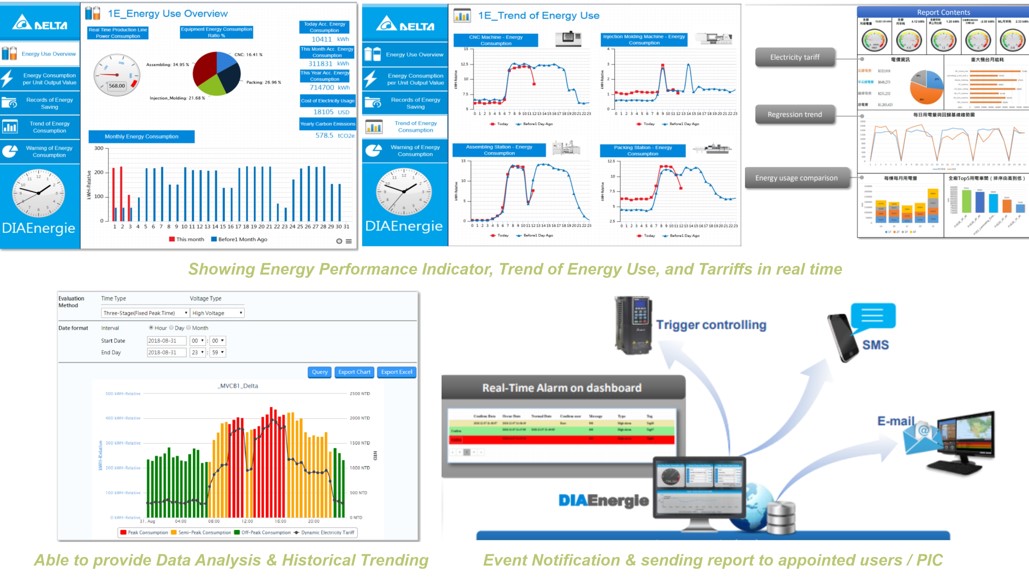
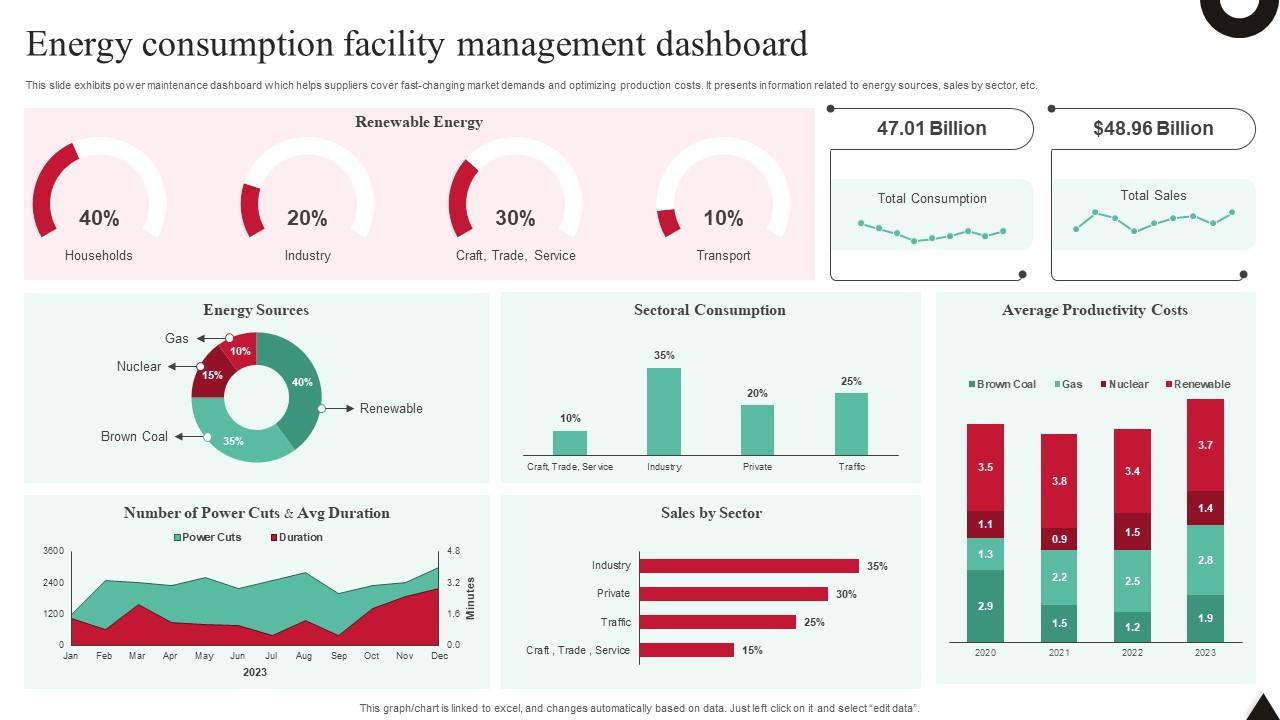

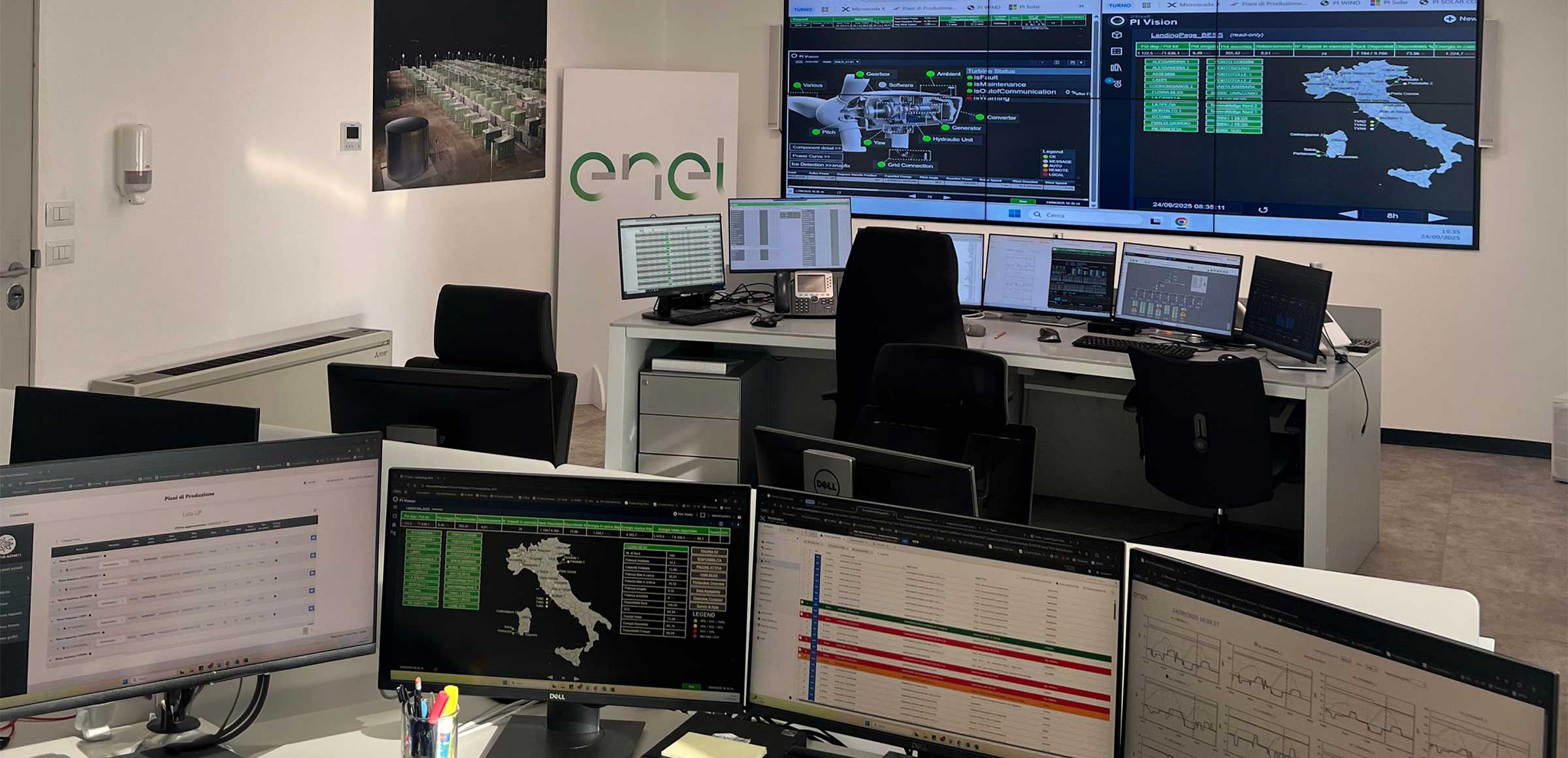
Objective
Provide a basic understanding of energy management principles.
Topics Covered
Definition of energy management
Importance of energy efficiency in industry
Global energy trends and sustainability
Energy cost structure in industrial operations
Key Concepts
Energy management goal
Reduce energy consumption
Reduce operating cost
Improve sustainability
Reduce carbon emissions
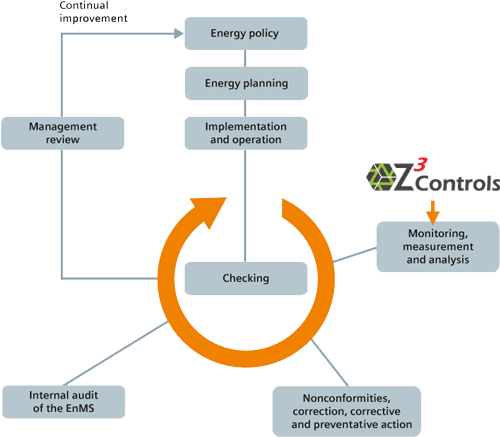
Energy Management Framework
Energy Policy
Energy Planning
Implementation
Monitoring
Continuous Improvement
This structure forms the foundation of ISO 50001 Energy Management System.
2. Energy Audit and Assessment


Objective
Teach engineers how to identify energy saving opportunities.
Types of Energy Audits
Level 1 – Walk-Through Audit
Visual inspection
Identify obvious energy losses
Level 2 – Detailed Energy Audit
Detailed data analysis
Measurements and monitoring
Level 3 – Investment Grade Audit
Financial analysis
Detailed engineering evaluation
Key Steps in Energy Audit
Data collection
Energy consumption analysis
Identify major energy users
Field inspection
Measurement and testing
Energy saving recommendations
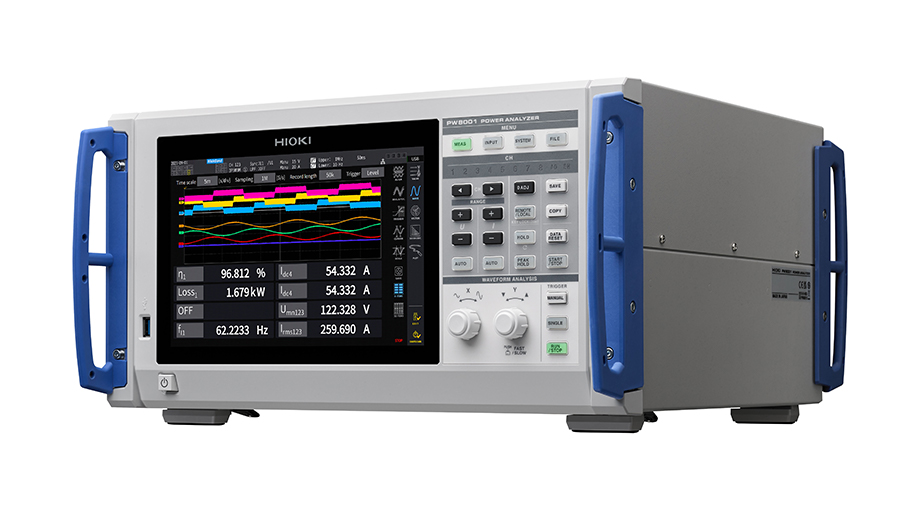
Tools Used
Power analyzer
Flue gas analyzer
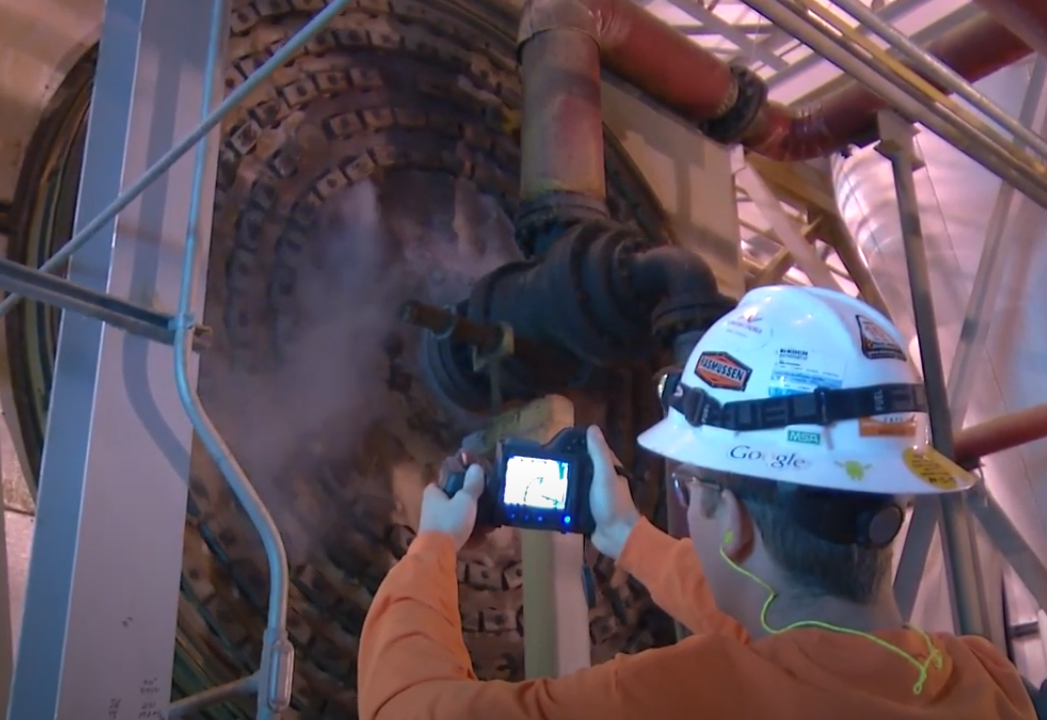
Infrared thermography
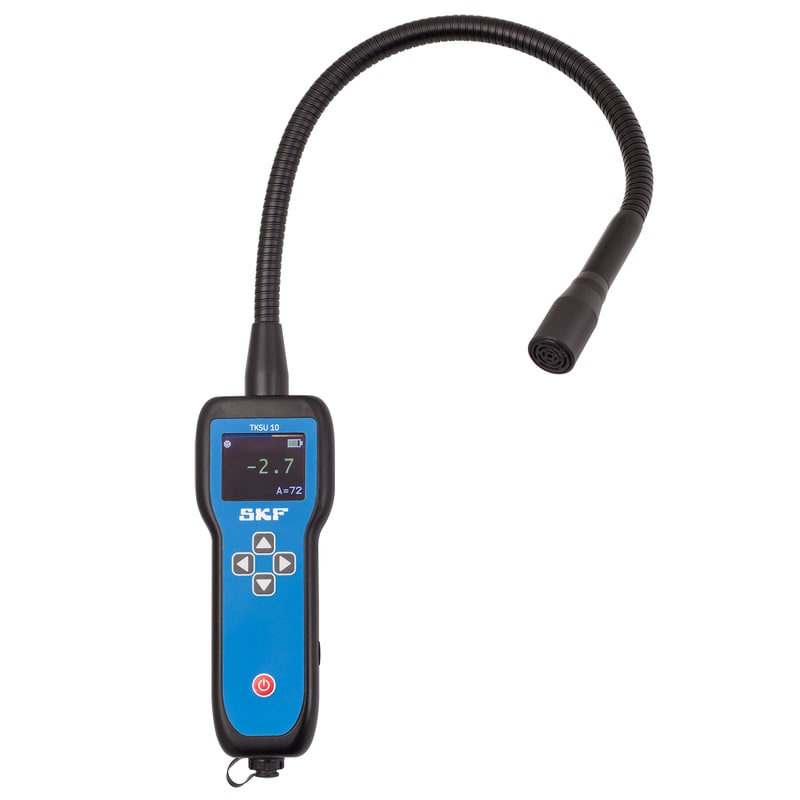
Ultrasonic leak detector
Steam flow meter
3. Electrical Energy Systems



Objective
Understand how electricity is used in industry and how to reduce consumption.
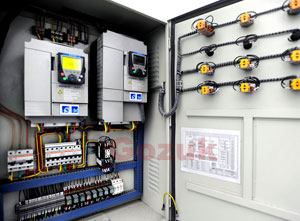
Major Electrical Loads
Electric motors
Pumps
Fans
Compressors
Lighting systems
Energy Saving Techniques
1. High Efficiency Motors
IE3 or IE4 motors improve efficiency.
2. Variable Speed Drives (VSD)
Motor speed control reduces energy use.
Example:
Fan load reduction using VSD can save:
20–50% electricity.
3. Power Factor Correction
Improves electrical system efficiency.
Typical target:
Power factor > 0.95
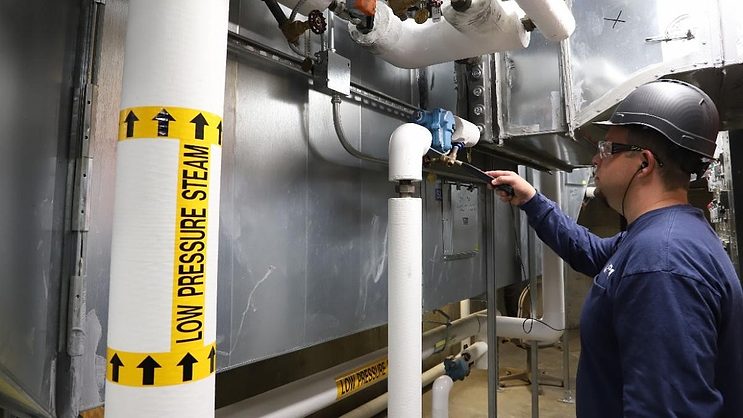
4. Steam and Boiler Systems
Objective
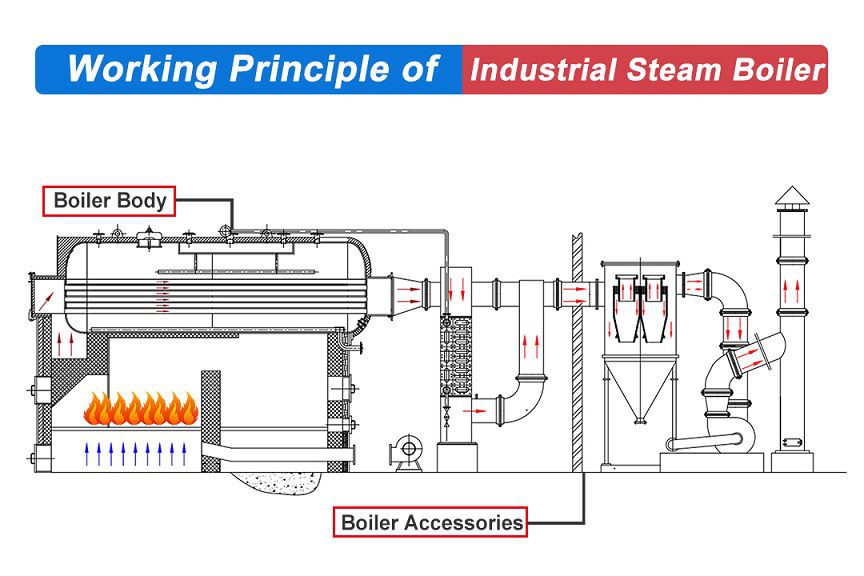
Understand steam generation and how to improve boiler efficiency.
Boiler Energy Losses
Common losses include:
| Loss Type | Typical Range |
|---|---|
| Flue gas heat loss | 10–20% |
| Radiation loss | 1–3% |
| Blowdown loss | 1–3% |
| Unburnt fuel | 1–2% |
Key Efficiency Improvements
Optimize combustion air
Install economizers
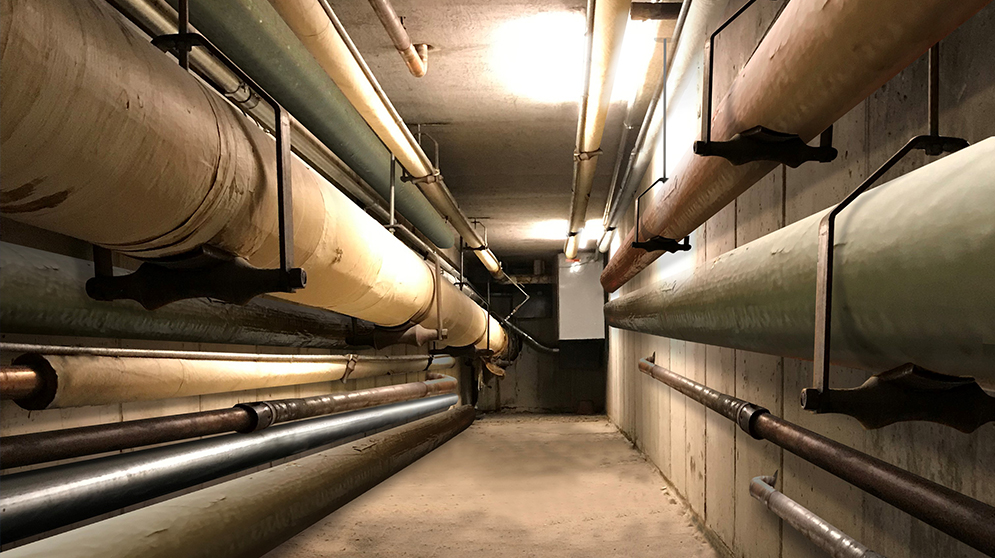
Improve insulation
Reduce blowdown
Repair steam leaks
Steam System Optimization
Focus areas:
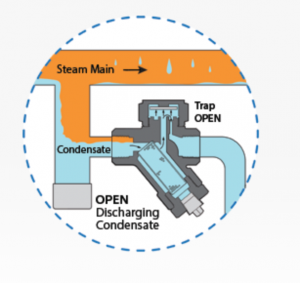
Steam traps
Steam distribution
Condensate recovery
Pressure control
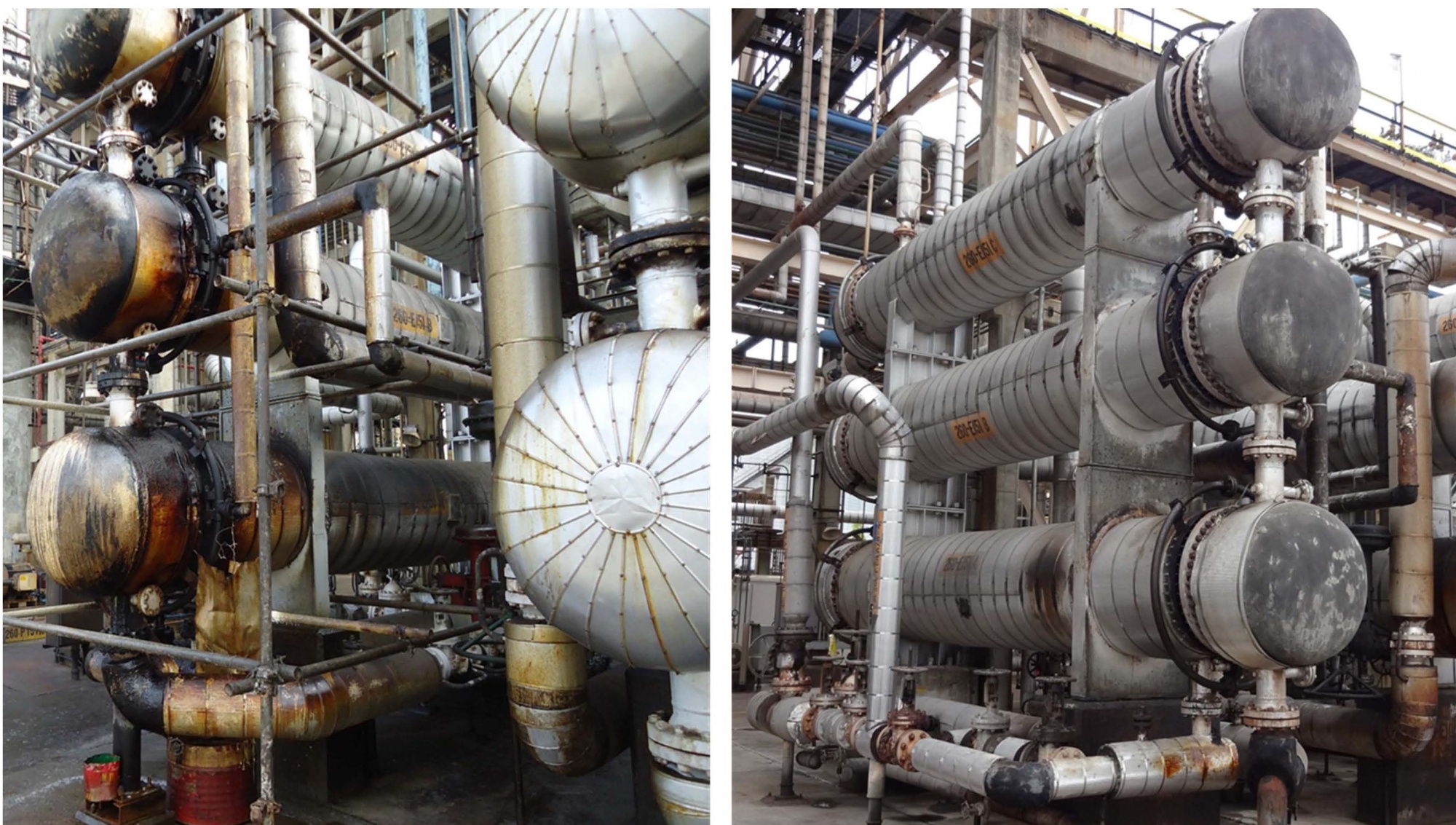
5. Thermal Energy Systems


Objective
Improve efficiency of process heating and heat transfer systems.
Systems Covered
Heat exchangers
Furnaces
Thermal oil heaters
Process heaters
Energy Efficiency Strategies
Heat Recovery
Example:
Recover heat from flue gas to preheat:
boiler feedwater
combustion air
Insulation Improvement
Poor insulation leads to:
5–10% heat loss.
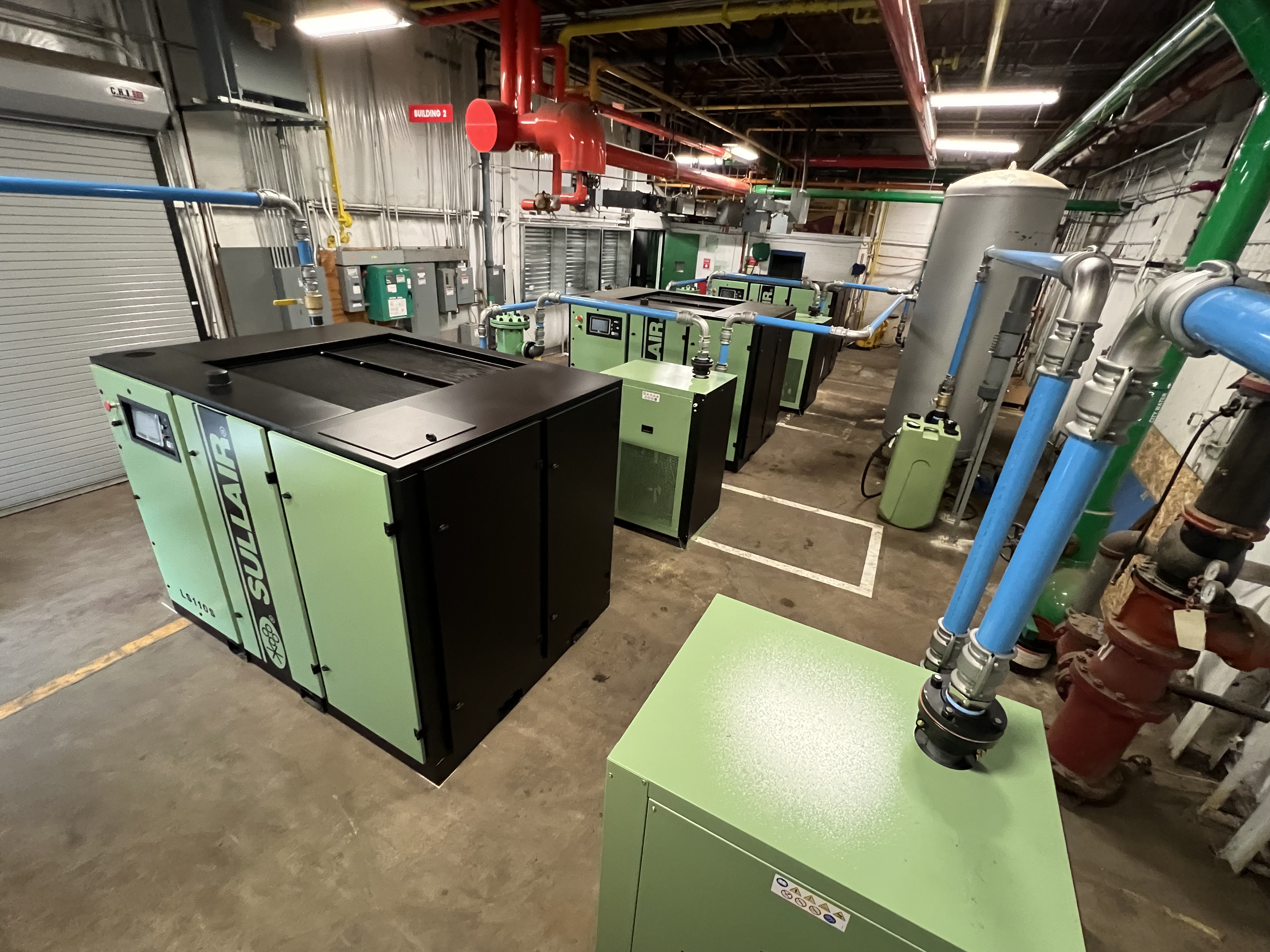
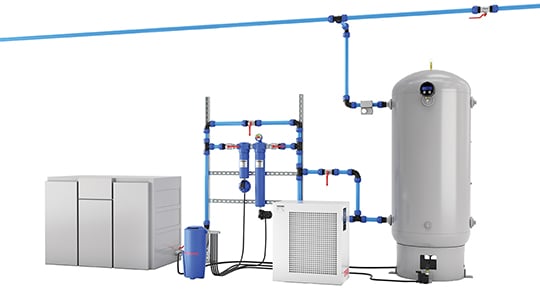
6. Compressed Air Systems
Objective
Improve efficiency of compressed air systems.
Key Problems
Compressed air is one of the most expensive utilities.
Typical inefficiencies include:
air leaks
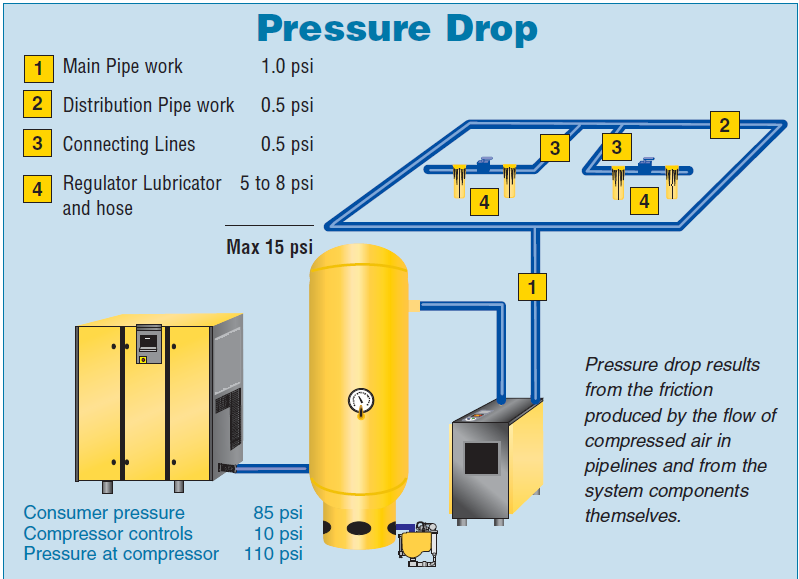
over-pressurization
poor compressor control
heat losses
Typical Energy Loss
20–30% compressed air lost due to leaks.
Energy Saving Measures
Leak detection programs
Pressure optimization
Heat recovery from compressors
Proper compressor sequencing
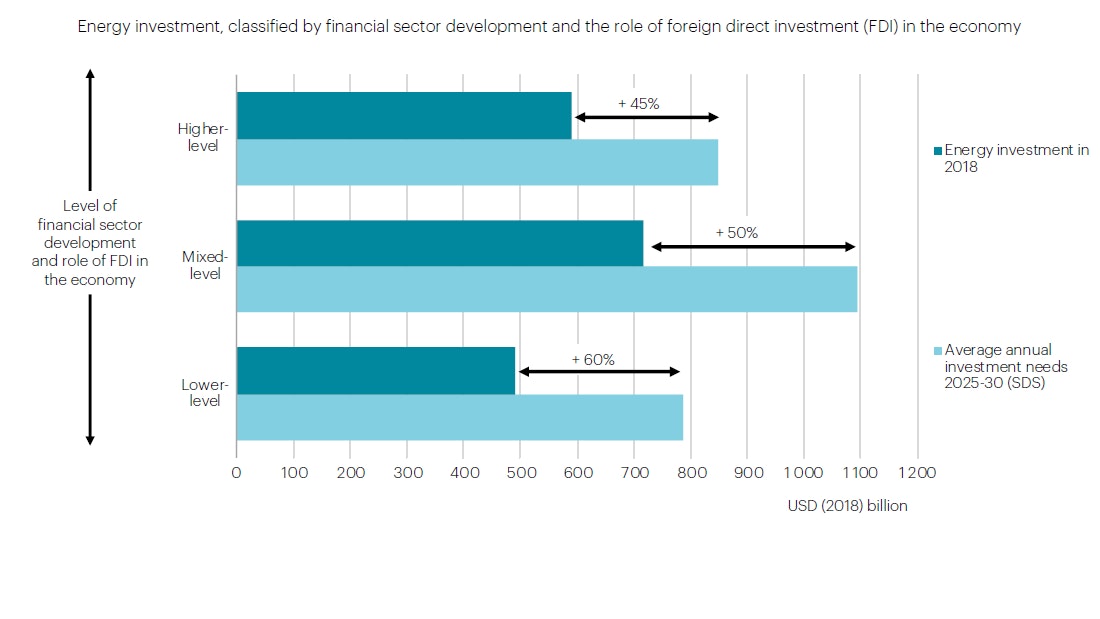
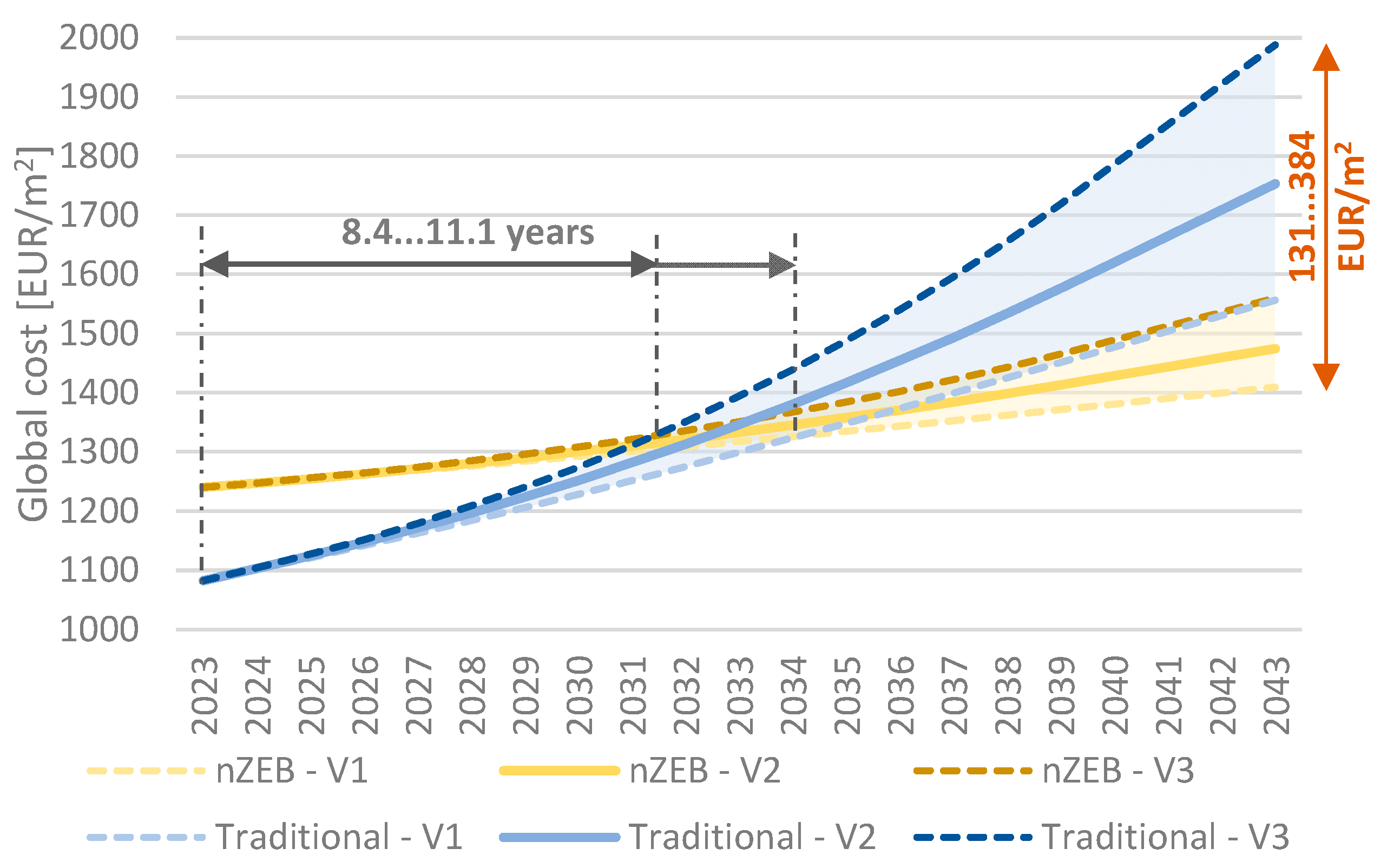
7. Energy Economics and Financial Analysis

Objective
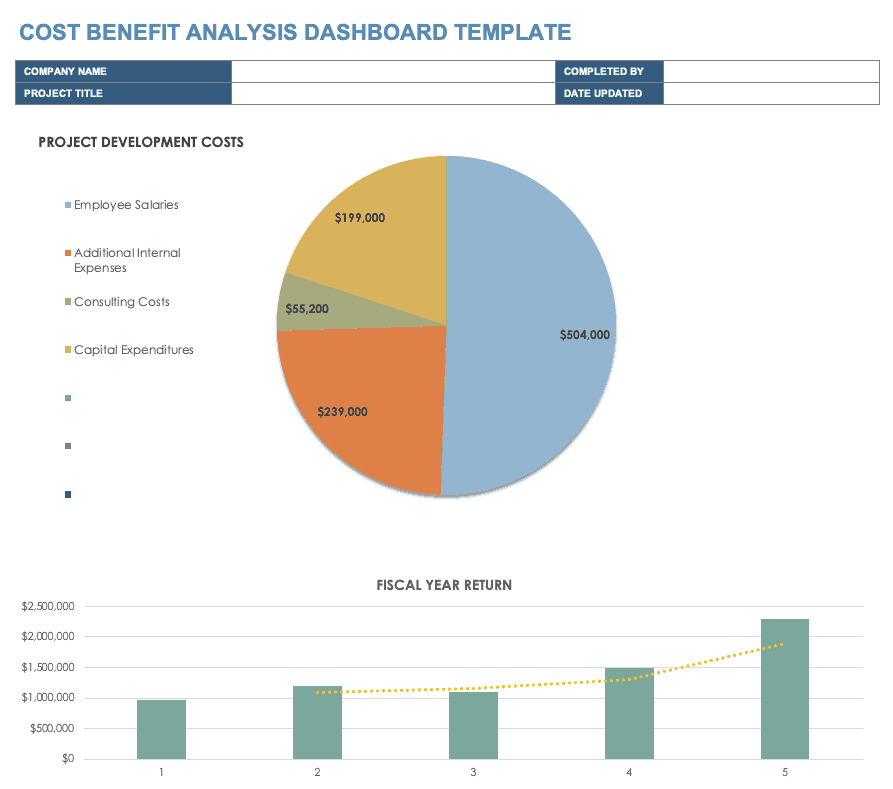
Enable Energy Managers to justify energy projects financially.
Key Financial Metrics
Payback Period
Investment recovery time.
Net Present Value (NPV)
Evaluates long-term project profitability.
Internal Rate of Return (IRR)
Companies prefer projects with:
IRR > 15%
Example
Project:
Install VSD
Cost:
$60,000
Annual savings:
$25,000
Payback:
2.4 years
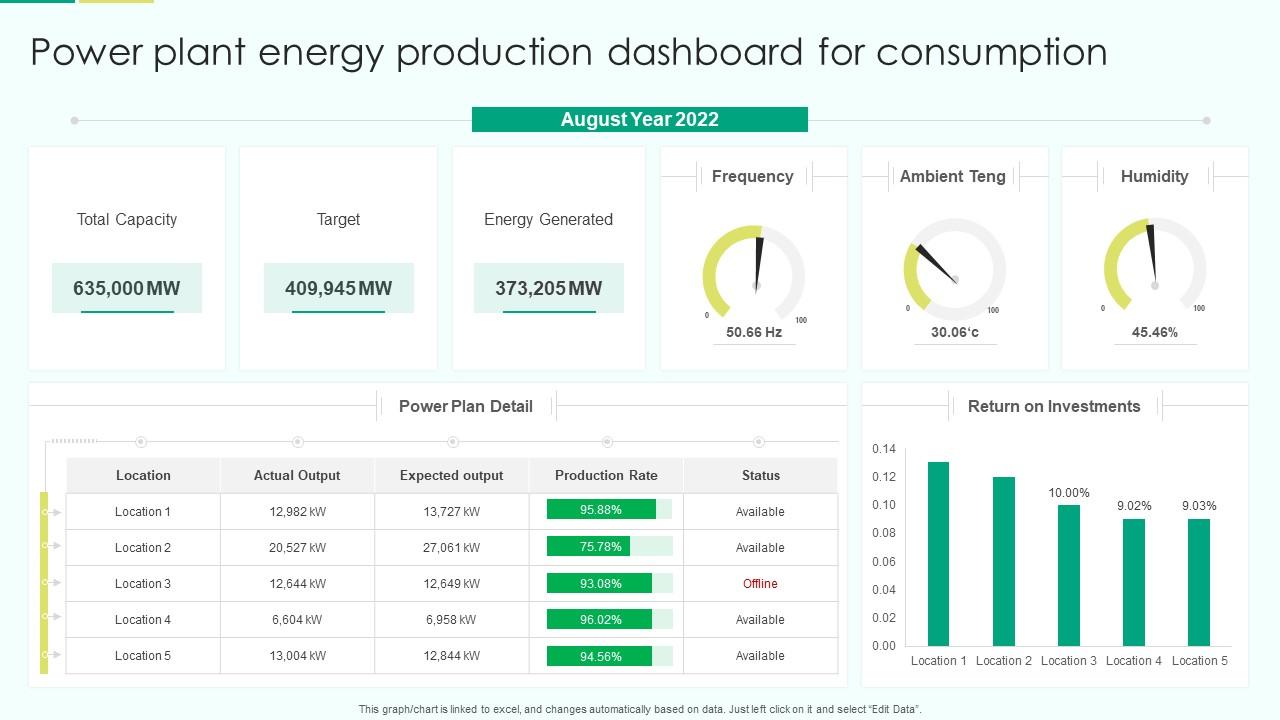
8. Energy Management System (ISO 50001)

Objective
Establish a structured energy management program.
Core Components
Energy Policy
Energy Planning
Implementation
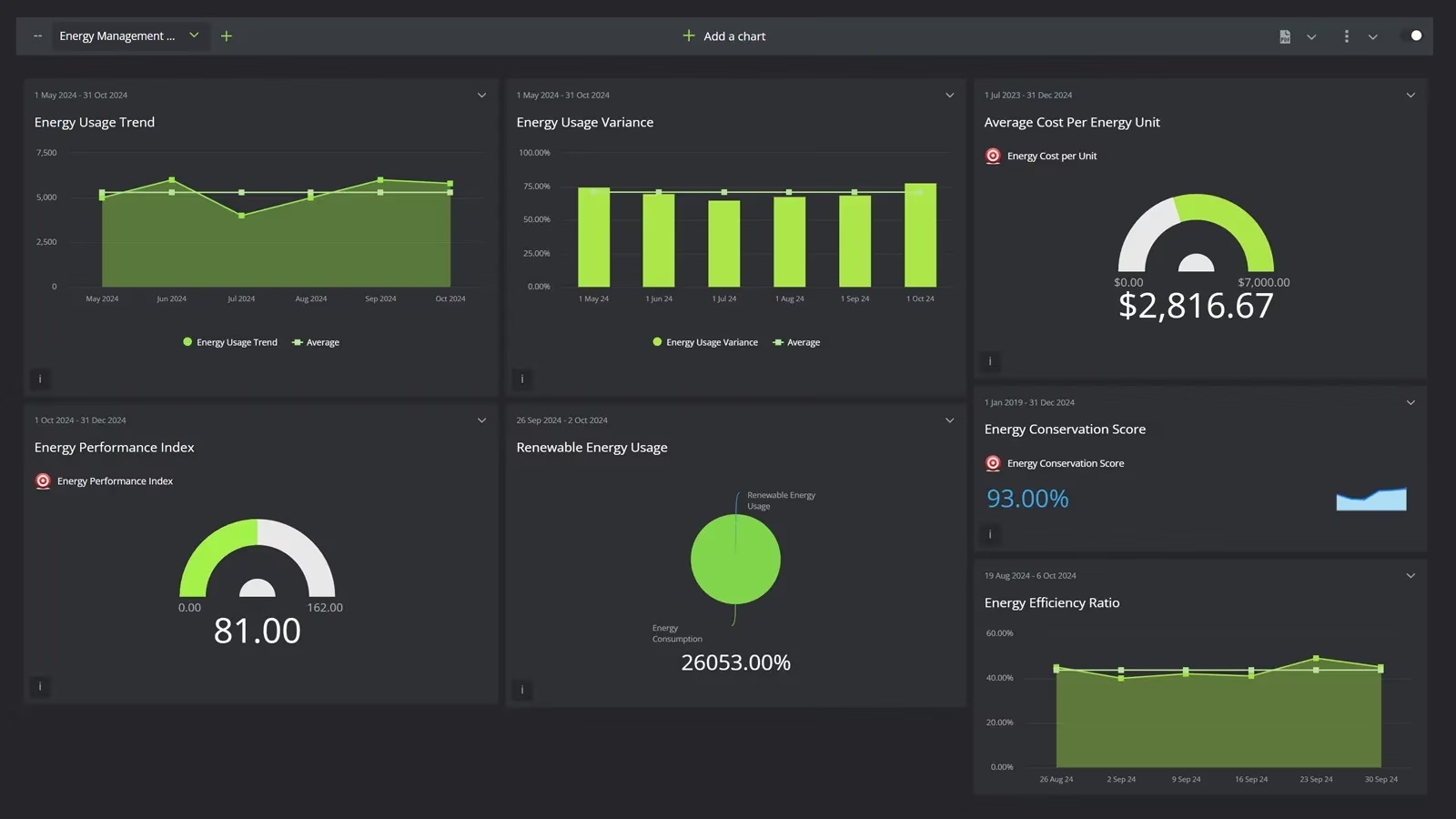
Monitoring
Continuous Improvement
PDCA Cycle
Plan → Do → Check → Act
This ensures continuous improvement.
9. Renewable and Alternative Energy


Objective
Understand renewable energy integration.
Examples
Biomass boilers
Solar PV systems
Biogas energy recovery
Waste heat power generation
In palm oil mills:
Empty fruit bunch (EFB)
Palm kernel shell
are used as biomass fuel.
10. Measurement & Verification (M&V)


Objective
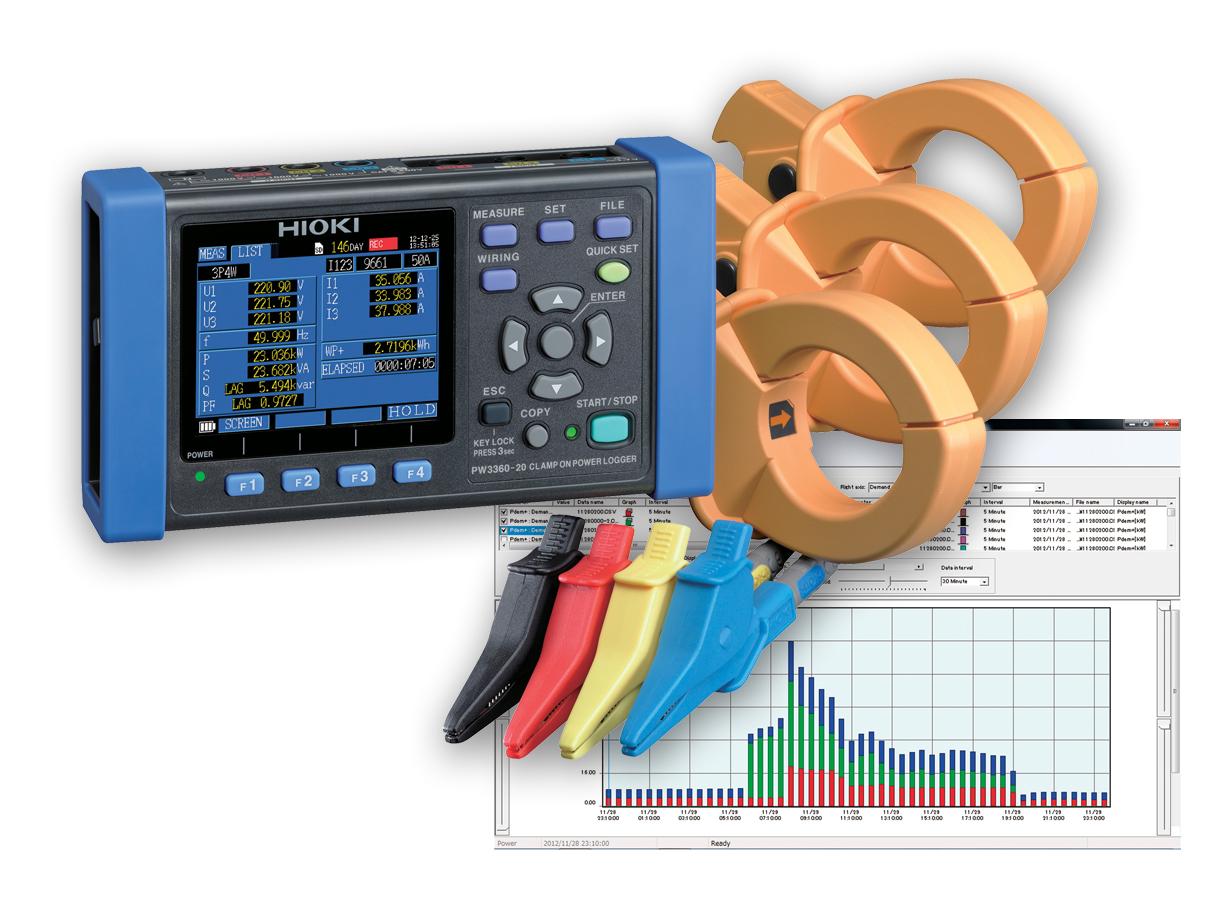
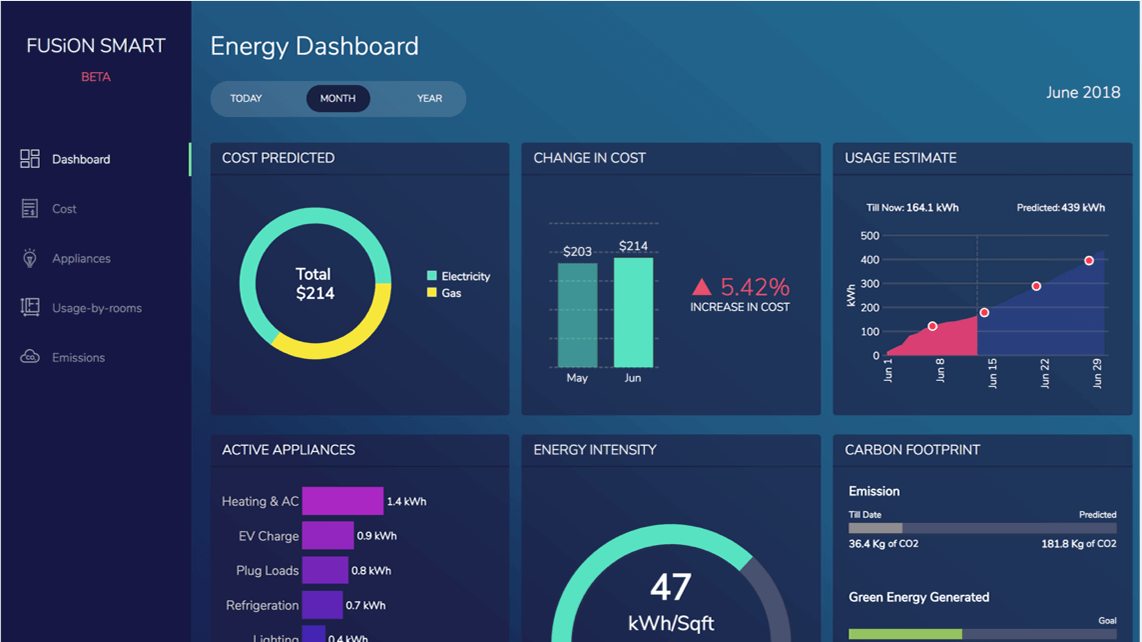
Verify actual energy savings after project implementation.
Methods
Based on International Performance Measurement and Verification Protocol (IPMVP).
Options include:
Option A: Retrofit isolation (partial measurement)
Option B: Retrofit isolation (full measurement)
Option C: Whole facility measurement
Option D: Simulation modeling
Summary of Energy Manager Training Modules
| Module | Focus |
|---|---|
| Energy Management Fundamentals | Strategy and policies |
| Energy Audit | Identify savings |
| Electrical Systems | Motor & electrical efficiency |
| Steam & Boilers | Thermal efficiency |
| Thermal Systems | Heat transfer optimization |
| Compressed Air | Reduce compressed air waste |
| Energy Economics | Financial evaluation |
| Energy Management System | ISO 50001 framework |
| Renewable Energy | Sustainable energy |
| Measurement & Verification | Confirm savings |
✅ Based on your background in palm oil mills and refinery operations, the most critical modules are usually:
Boiler & steam systems
Turbine systems
Biomass energy
Utilities optimization
Energy auditing in palm oil mills

No comments:
Post a Comment